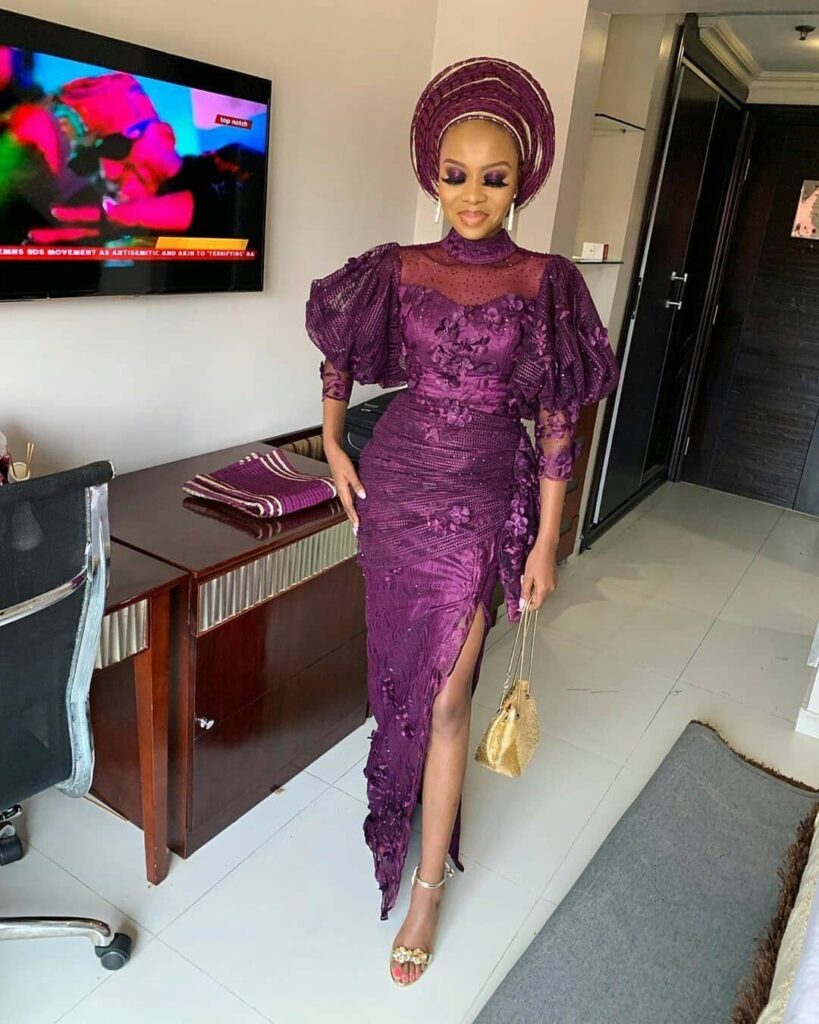
Nigerian weddings call for outfits that look dressy and intentional, and each of these ideas delivers on both.
If the couple’s family has chosen an aso-ebi fabric, wearing it signals your connection to them, though you can opt for Ankara prints, brocade, or a formal dress in the announced color if you’re not part of the coordinated group.
White is still off-limits, and wearing fabric that looks like aso-ebi when you didn’t buy in causes confusion.
1. Stylish Aso-Ebi Outfit
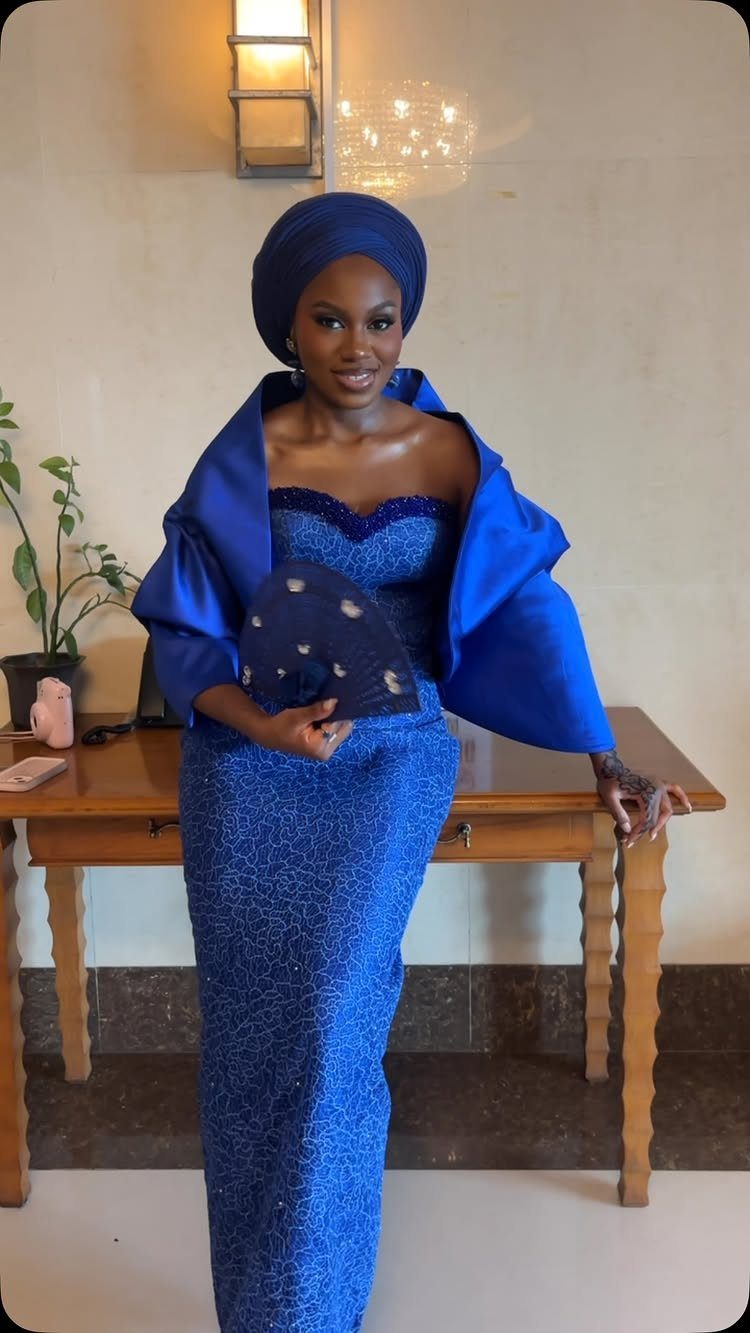
Aso-Ebi is the coordinated fabric chosen by the couple’s family, and wearing it signals your connection to them. Guests typically purchase the fabric from the family ahead of the wedding and have it tailored into their preferred style.
The off-shoulder cut here keeps the silhouette modern while the matching jacket and headtie complete the traditional look. Pairing the outfit with a folding fan adds a practical touch for outdoor ceremonies and creates a polished finishing detail in photos.
2. Ankara Wedding Guest Dress
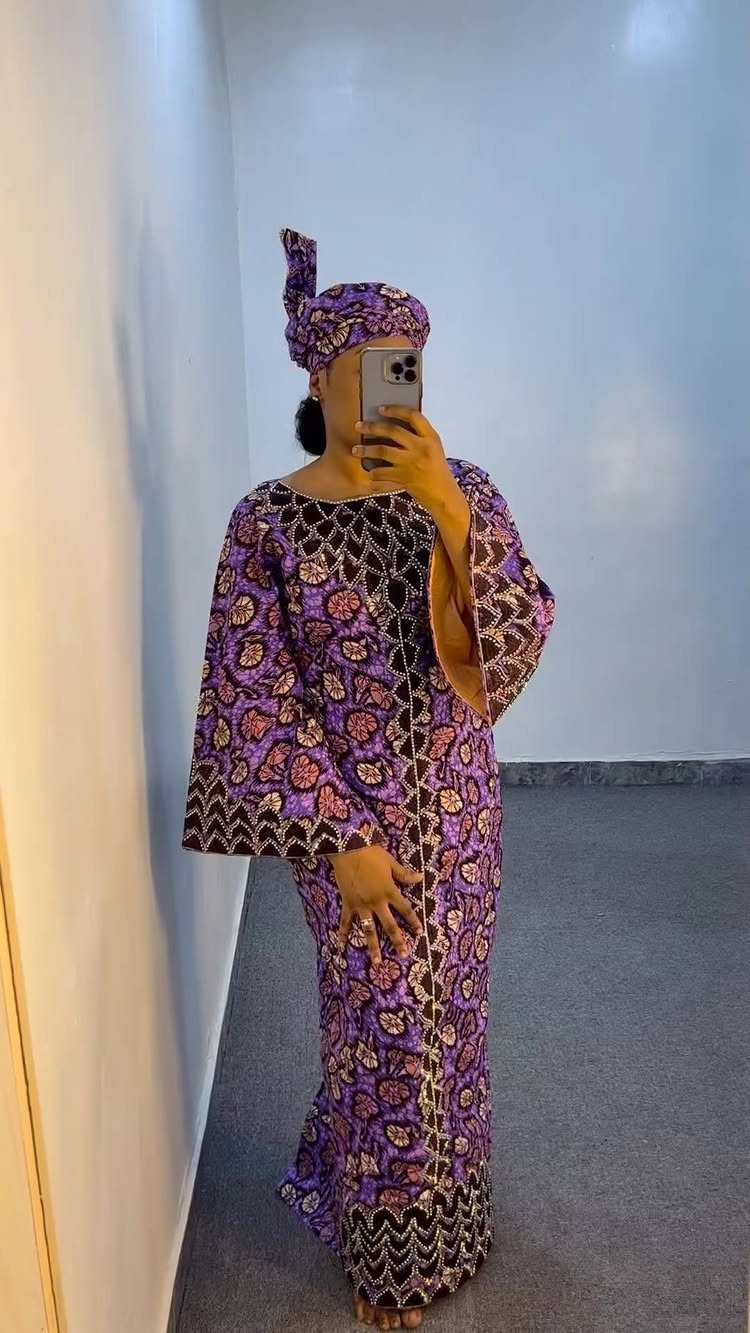
Ankara’s bold prints and saturated colors are made for Nigerian weddings, where guests are expected to arrive with personality.
The fabric is widely available in local markets, and many tailors are experienced in working with it, which helps keep costs manageable.
A fitted dress like this one shows off the pattern without overwhelming your frame. Matching your gele to the dominant color in the print ties the whole look together and keeps the focus on the fabric’s design.
3. Off-Shoulder Gown
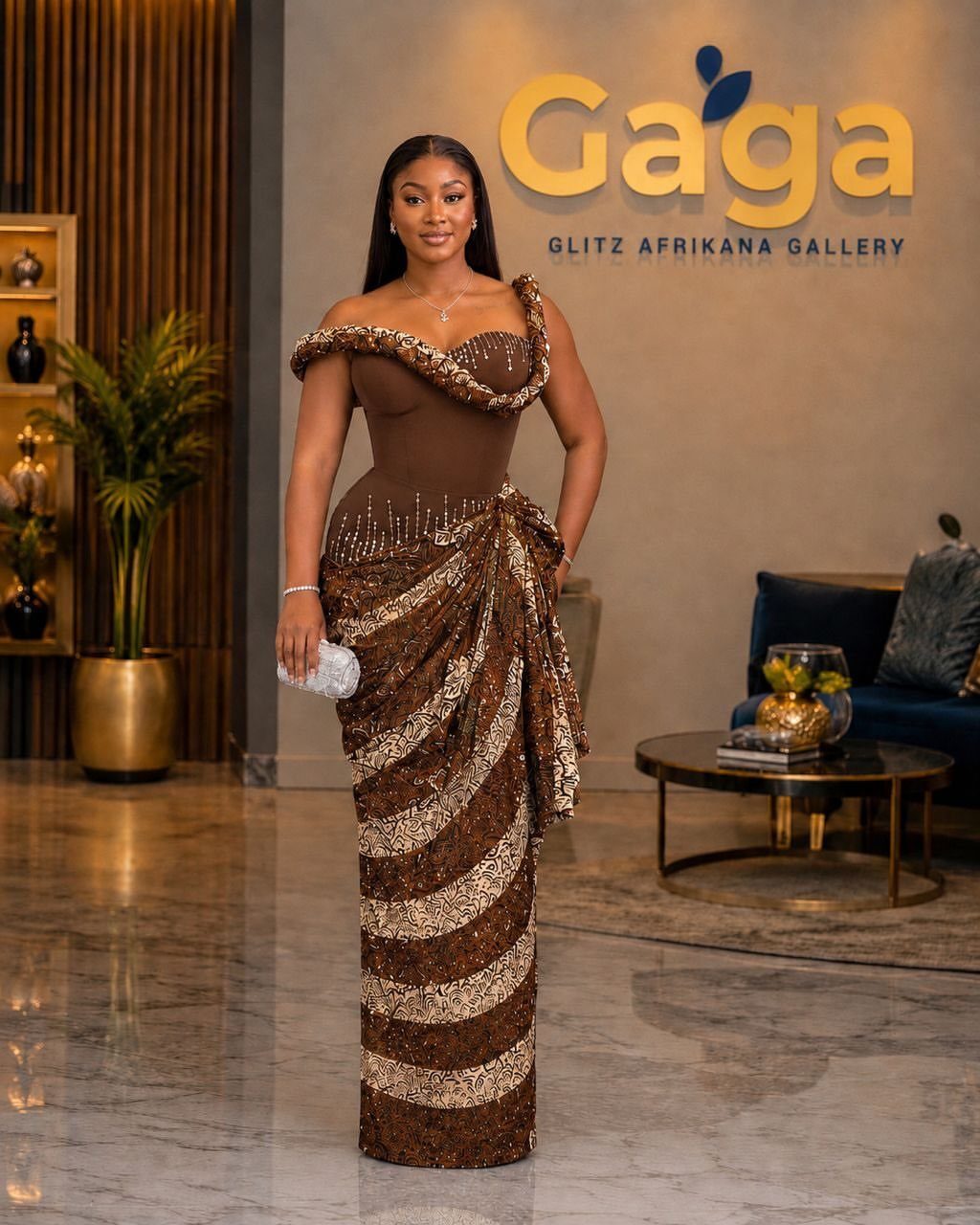
An off-shoulder neckline flatters most body types and feels appropriately formal without requiring heavy embellishment. The style works especially well for evening receptions, when you want something that photographs well under artificial lighting.
Sequins catch the light and add dimension to the fabric, so you can skip most jewelry and let the dress do the work.
A slim silhouette like this one moves easily on the dance floor, which matters when the reception runs late.
4. Peplum and Skirt Combination
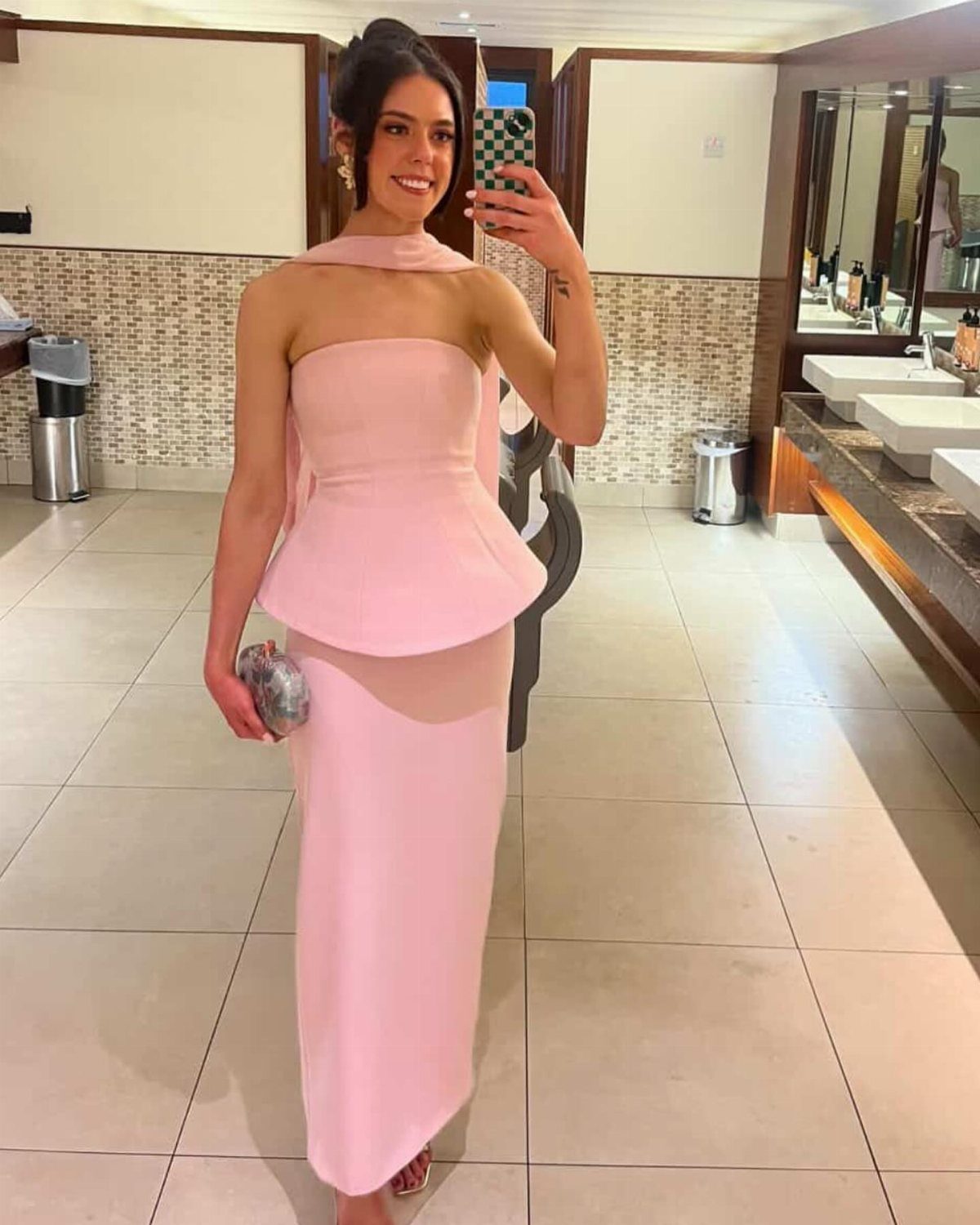
Splitting your outfit into a peplum top and skirt gives you 2 pieces you can actually wear again after the wedding. The peplum flares at the waist, which balances wider hips and creates shape on straight frames.
A strapless version keeps the shoulders bare for warm weather celebrations, though you can add sleeves if the event leans more conservative.
Matching the fabric across both pieces keeps the look cohesive while giving you flexibility to mix them into your regular wardrobe later.
5. Gele Head Tie with Brocade Fabric
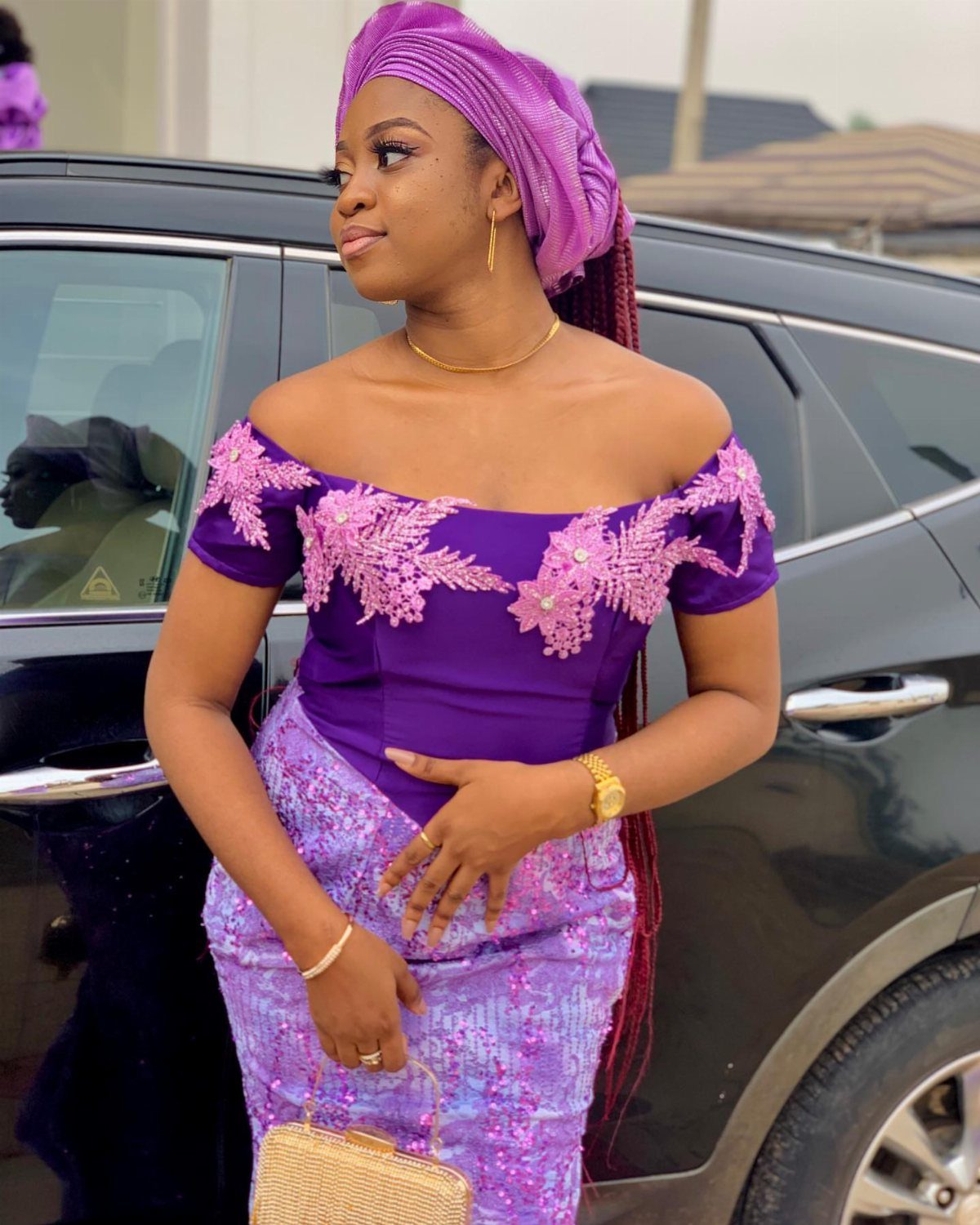
Brocade stands out for its raised, textured patterns and the weight of the fabric, which holds elaborate gele styles better than lighter materials.
The structure makes it a go-to choice for high-profile weddings where guests are expected to dress with formality.
Matching your gele to your dress creates a unified look that photographs well, and the texture adds visual interest without needing extra accessories. A gold clutch like this one provides a warm metallic accent that complements most brocade colors.
6. Satin or Silk-Inspired Evening Dress
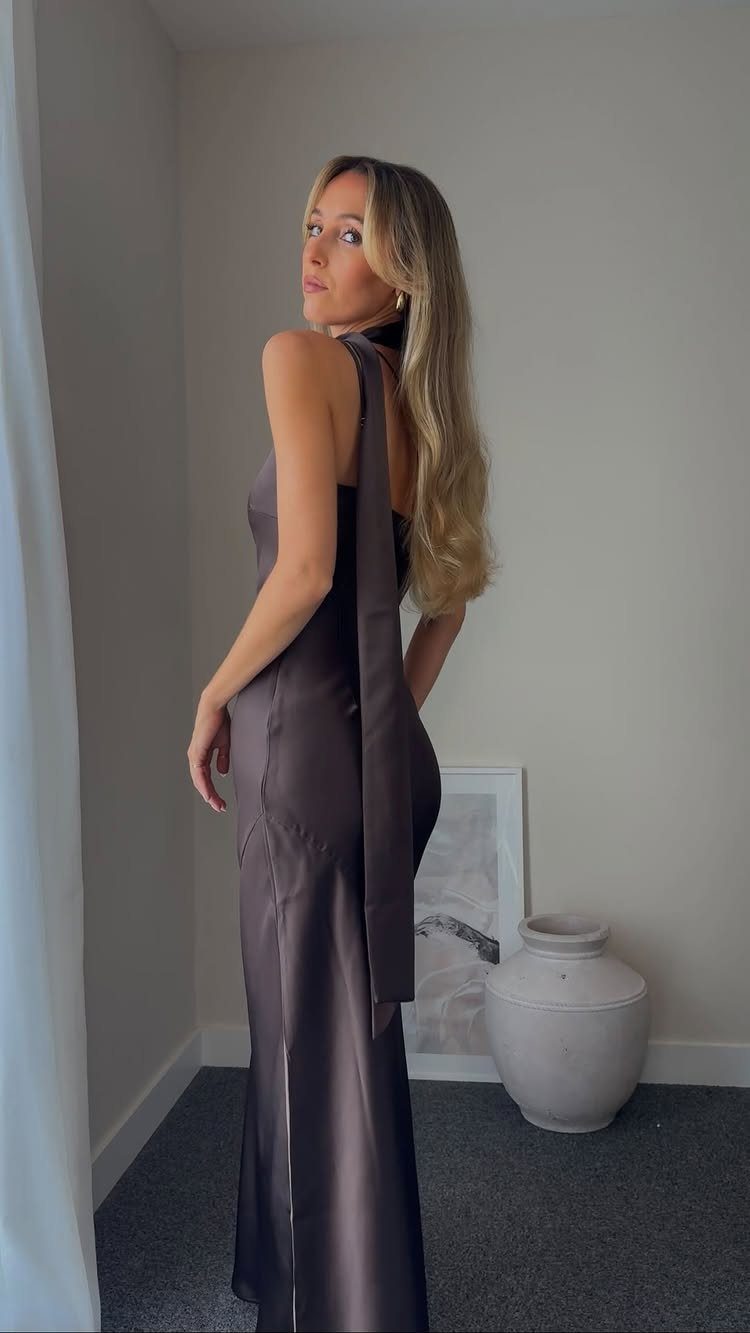
Satin and silk-inspired fabrics drape smoothly over the body and catch light in a way that reads as luxurious in person and on camera. A long, simple silhouette like this suits evening receptions that lean formal.
The taupe shade here is neutral enough to wear jewelry in any metal tone, and the lack of pattern means your accessories can carry more personality. Fabric like this wrinkles easily, so factor in steaming or pressing before the event.
7. Kaftan or Boubou
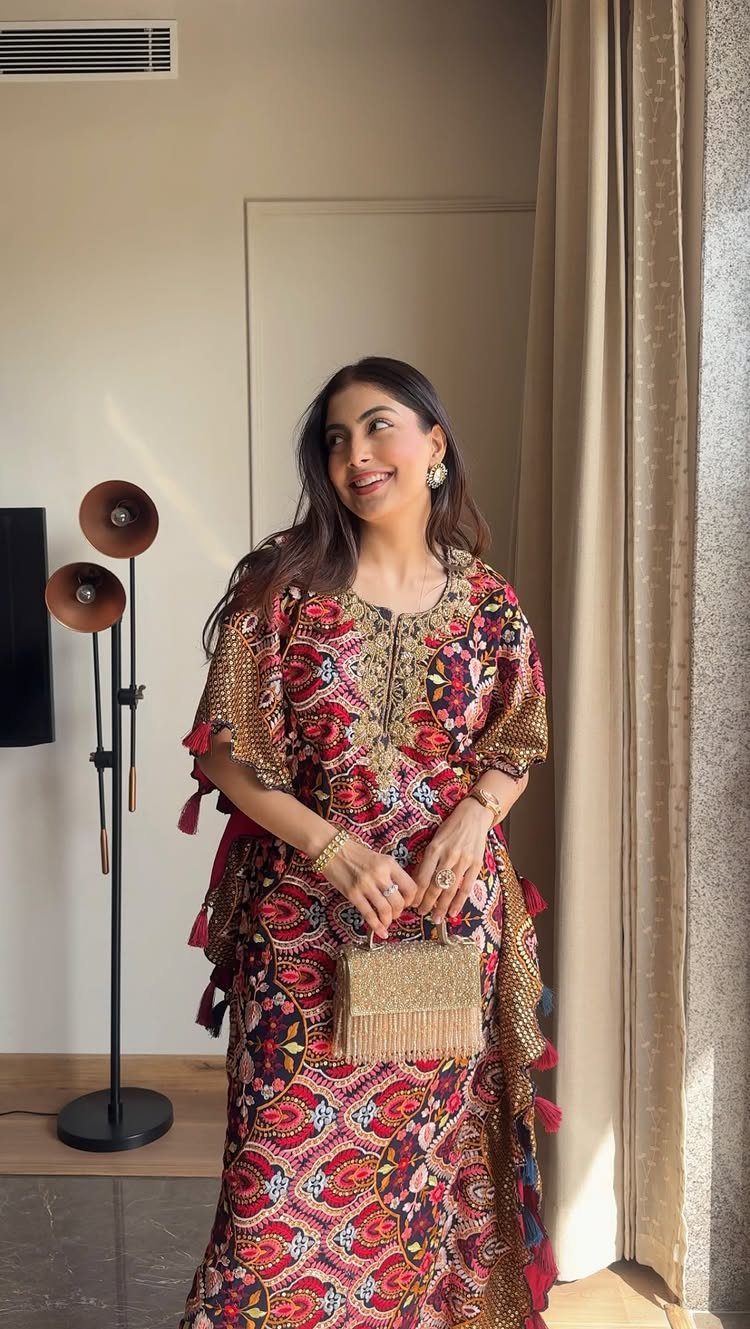
A kaftan or boubou gives you full coverage and ease of movement, which makes it a smart choice for all-day ceremonies or outdoor venues where heat becomes a factor.
The loose silhouette skims the body without clinging, and the length reads as formal.
Gold accessories lift the look and work well with most fabric colors. A beaded bag brings texture that lets a bold print hold the spotlight.
8. Textured Fringe Dress
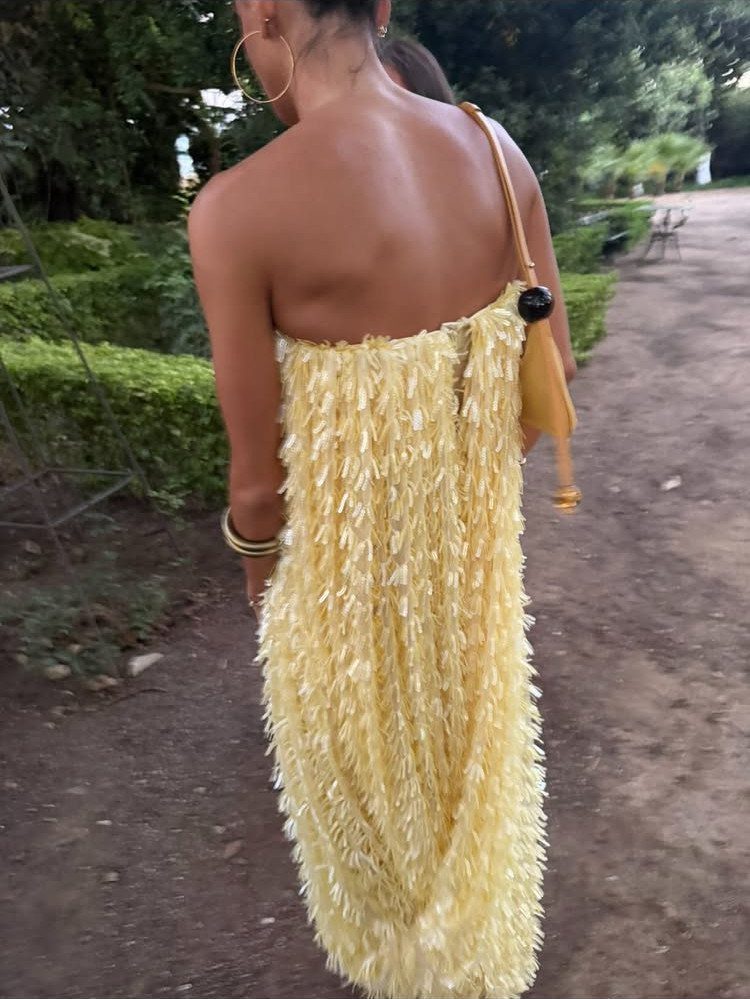
Fringe moves as you walk and adds dimension to a simple silhouette, so the dress feels more dynamic than a plain column. A strapless cut shows your shoulders and keeps the focus on the texture.
Yellow reads well in natural light and photographs clearly outdoors. The bright tone means you can skip bold jewelry and let the fringe carry the visual interest.
9. Embroidered Gown with Matching Hijab
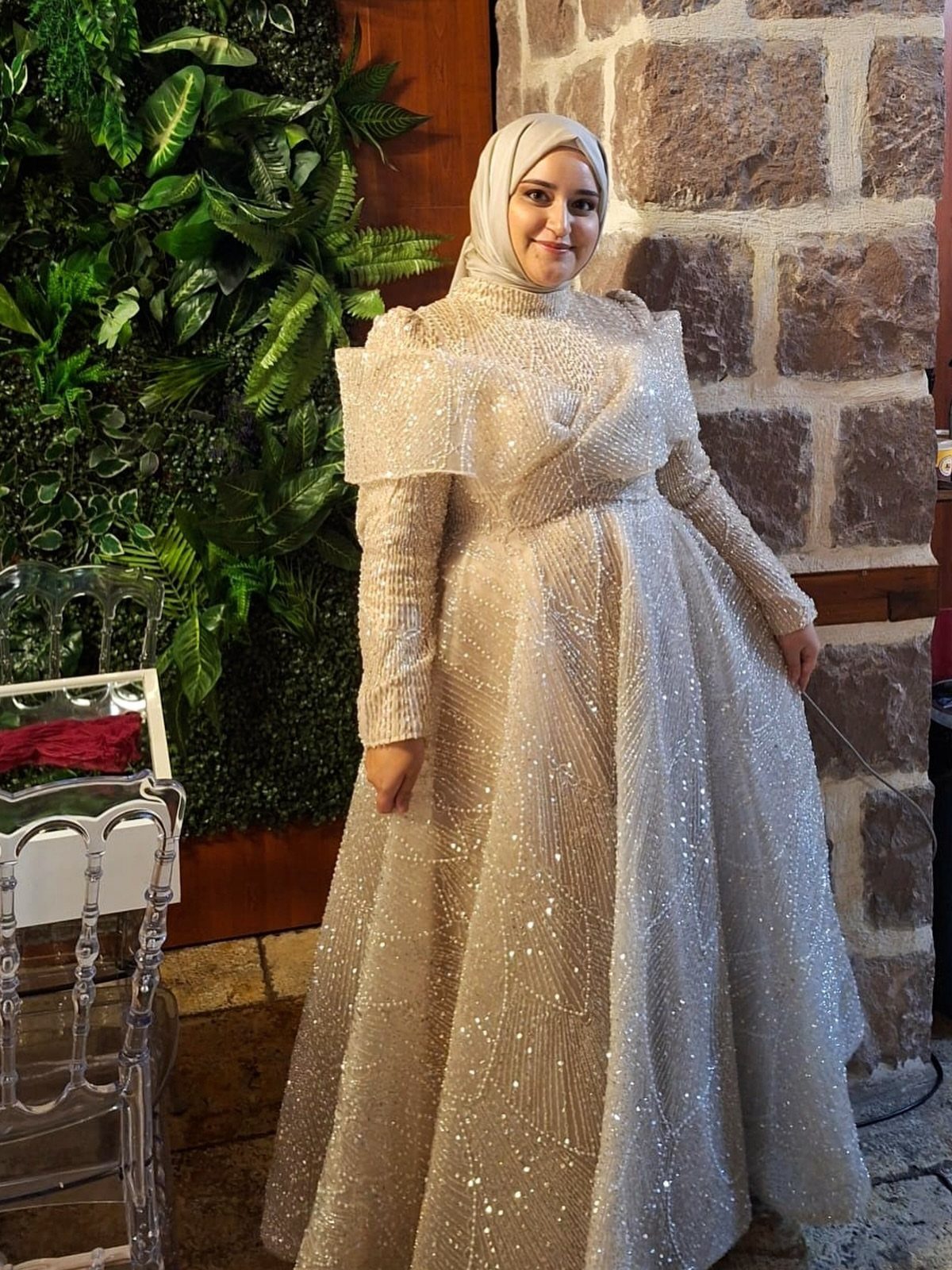
Embroidery over a shimmering base gives you texture and formality without the weight of heavier fabrics. A floor-length gown like this suits evening receptions where the dress code leans conservative.
Matching your hijab to the gown creates a cohesive look that photographs cleanly. Champagne and pale metallic tones work well with most skin tones and allow you to wear jewelry in either gold or silver.
10. Sequin Gown with Matching Gloves
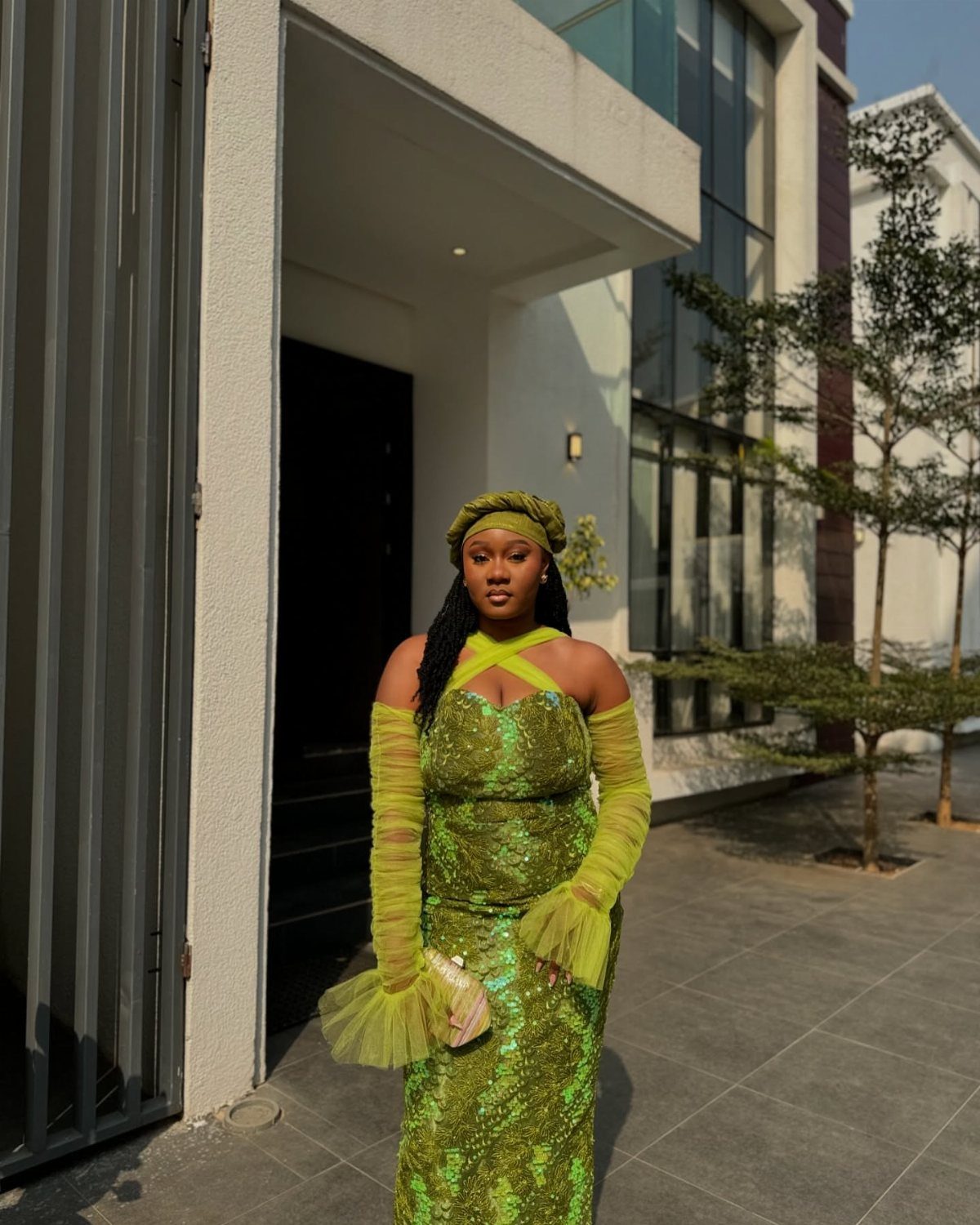
Sequins in a saturated color make a strong impression under artificial lighting, and the long gloves extend the look from your gown to your hands in one continuous line.
A headwrap that matches the gown ties the outfit together without needing additional accessories.
Lime green stands out in group photos and works well for guests who want to be noticed. The full sequin coverage means the dress is heavy, so plan for comfort if you will be wearing it for several hours.
11. Traditional Wrap Skirt with Fan
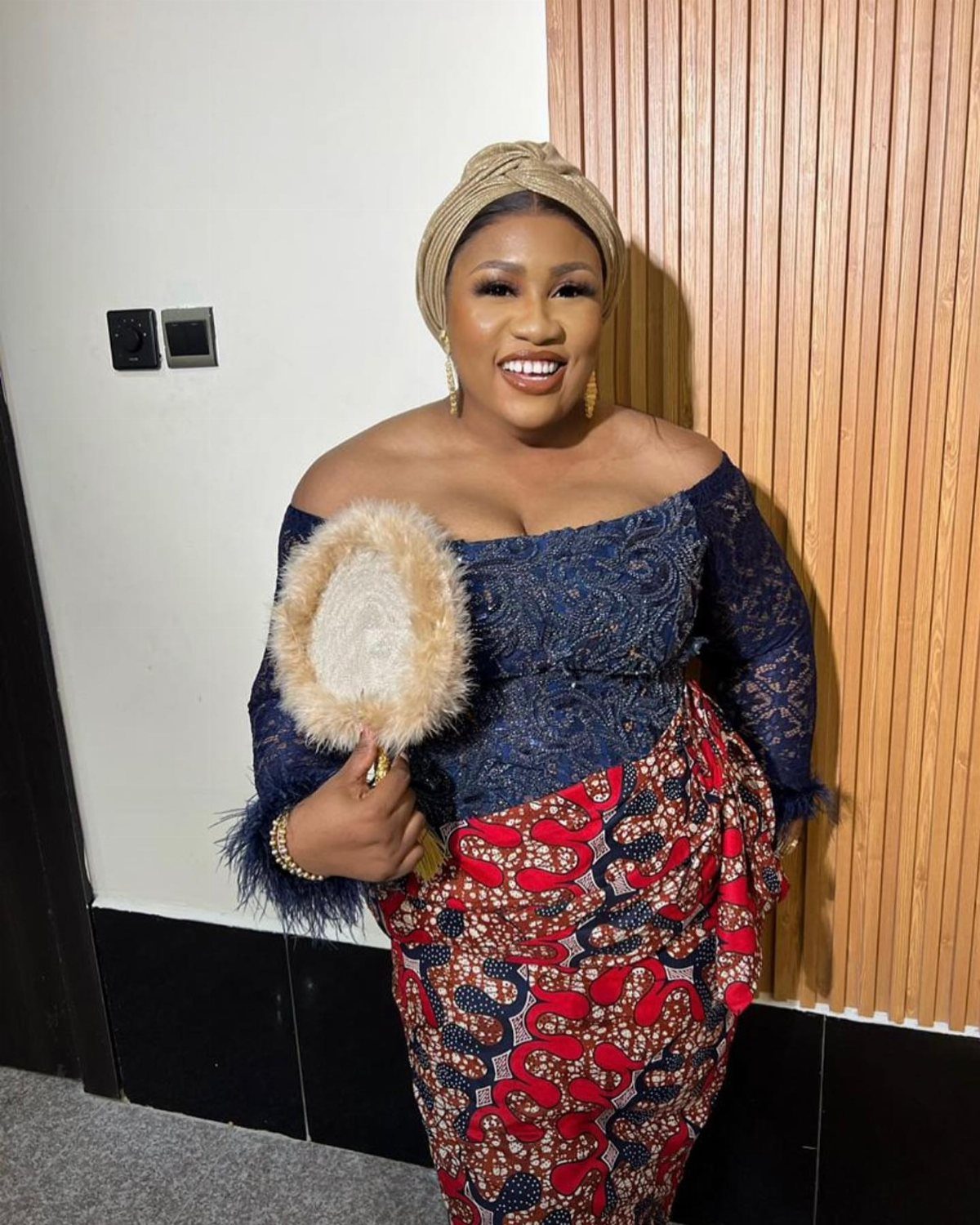
A wrap skirt paired with an off-the-shoulder lace top gives you flexibility in fit and lets you adjust the waist as needed throughout the day. The two-piece structure also means you can wear each item separately after the wedding.
A feathered fan adds formality and helps with airflow during outdoor ceremonies. Matching your headtie to one of the colors in the skirt keeps the look balanced when you are working with a bold print.
12. Embroidered Sheer-Sleeve Midi Dress
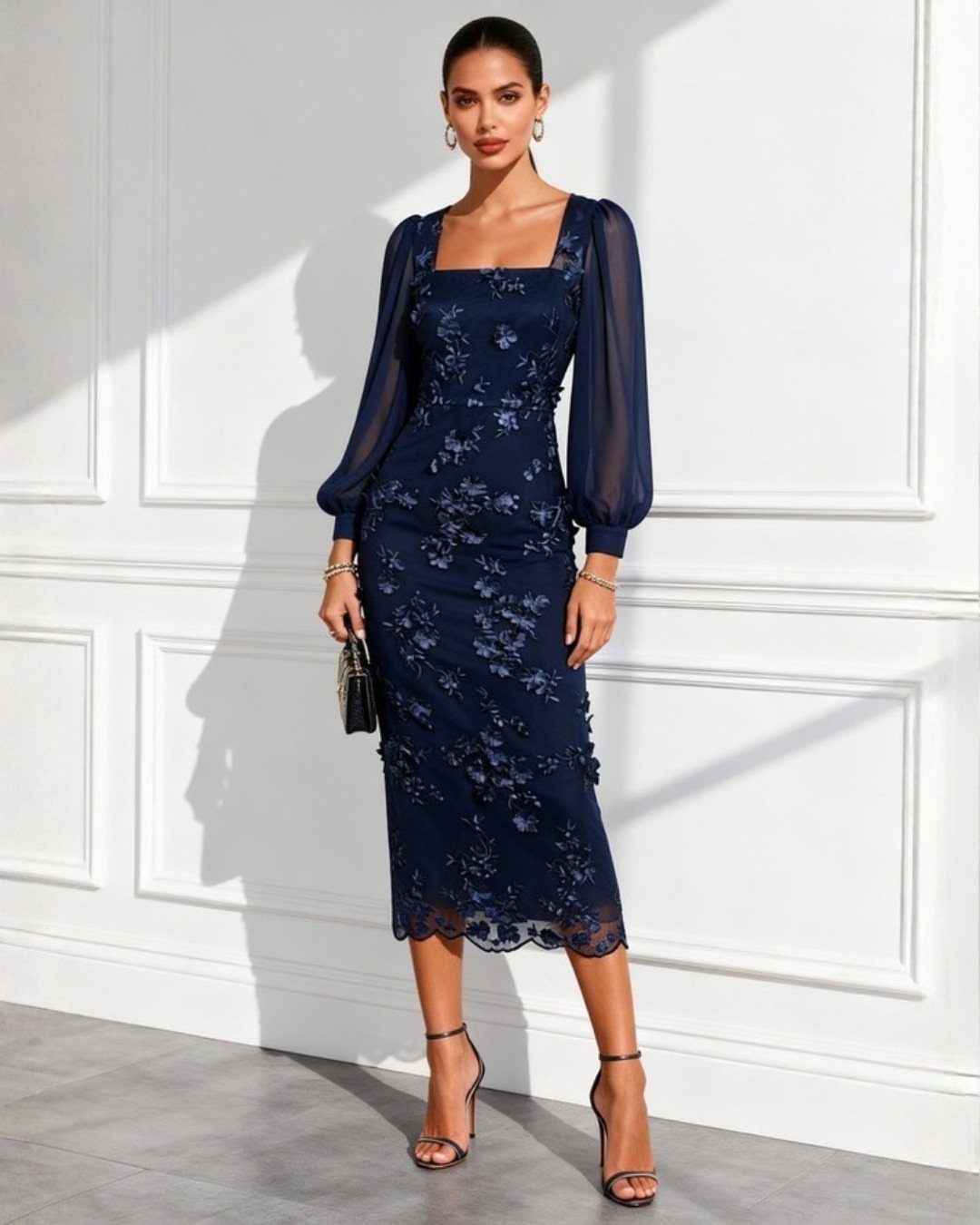
Sheer embroidered sleeves add coverage without the bulk of solid fabric, which suits receptions where modesty matters but you still want a modern silhouette. A midi length falls below the knee and reads as formal without requiring a full gown.
Navy is easier to accessorize than brighter colors and does not compete with your jewelry. Strappy heels keep the look polished, though the proportions also work with a closed-toe pump if the venue or your comfort calls for it.
Understanding the Dress Code
Start with whatever the invitation says about attire. Most couples announce a specific color for the day, and guests are expected to wear it.
If the family has chosen an aso ebi, you can still wear the announced wedding color in a different fabric or style if you did not purchase the aso ebi yourself.
If you’re not in aso ebi, Ankara prints, lace, a kaftan, or a formal dress in the announced color will fit right in.
The dress code can shift depending on the ceremony type. A traditional wedding, church service, garden ceremony, and evening reception may each call for a different level of formality or coverage, so read the details carefully and plan accordingly.
What to Avoid Wearing
White belongs to the bride, and showing up in it reads as an insult. Even cream or ivory can create problems unless the couple has explicitly requested it.
Matching the aso ebi fabric and color when you didn’t buy in creates awkward moments all night.
Skip anything too revealing.
Nigerian weddings include traditional and religious ceremonies where elders, clergy, and extended family are present. A very low neckline or a short hemline will stand out for the wrong reasons.
Do not dress casually.
Jeans paired with anything will come across as an insult to the couple. These weddings are serious fashion moments, and guests dress accordingly.
Accessorizing Your Outfit
A clutch or small structured bag in a metallic or neutral tone works with most silhouettes.
You’ll be on your feet for hours, so choose shoes that won’t hurt by the end of the night. Nigerian weddings run long, and comfort matters as much as appearance.
Jewelry should add polish, not take over the whole look.
If your fabric is heavily embellished or printed, simple earrings and a bracelet are enough. A plain dress gives you room for a statement necklace or bold earrings.
Your accessories should feel related but not rigidly matched. Your bag, shoes, and headtie can share a color family without needing to match exactly.
Frequently Asked Questions
What is Nigeria famous for clothes?
Nigerian fashion is known for Ankara prints with bold patterns and saturated colors, brocade with raised textures, lace fabrics, and Aso Oke. These materials show up at weddings and formal celebrations, where guests dress with personality and formality.
How much does a Nigerian traditional wedding dress cost?
Aso ebi fabric typically ranges from ₦7,000 to over ₦50,000, depending on the material and quality the family selects. Ankara from local markets runs lower, while brocade and heavily embellished lace push the price higher.