
A printable wedding checklist can run anywhere from a single sheet covering 12 months of tasks to a full planner you print and fill in as you go.
Pick based on how much physical structure you want: if you plan best with a single reference page you can pin up or tuck into a notebook, a one-page monthly breakdown works.
If you want something you can build out over time, a printable planner lets you add sections as you need them.
One emergency kit checklist sits inside the kit itself so anyone helping on the day knows exactly what you packed.
1. Printable Wedding Planner
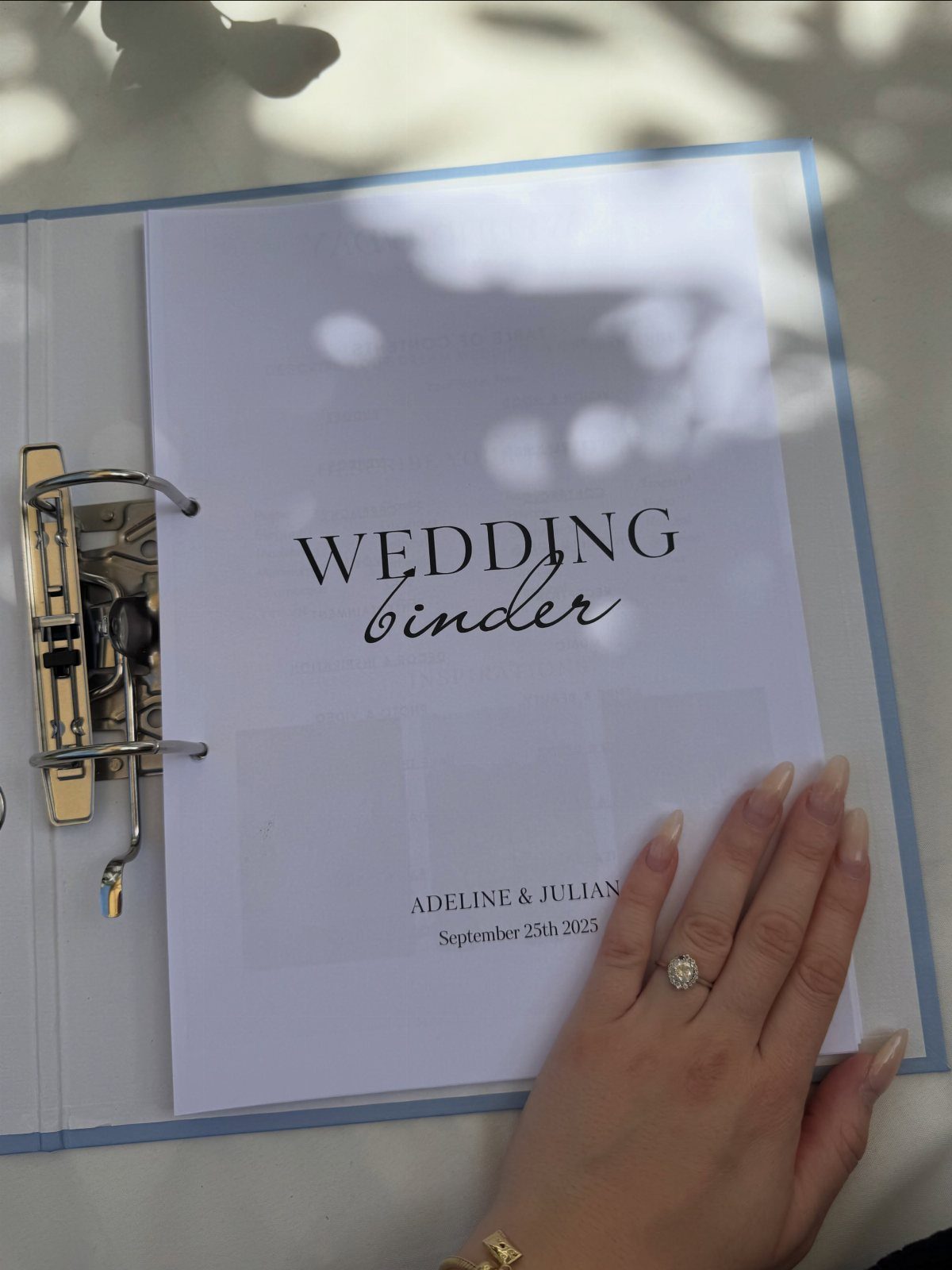
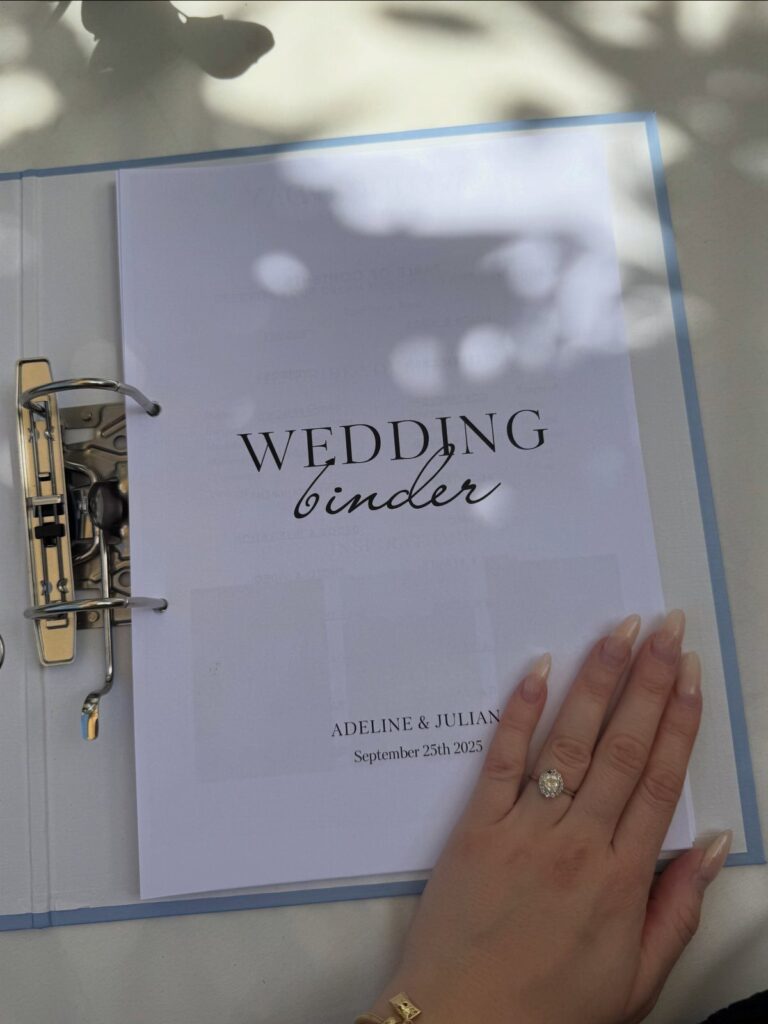
A binder-style planner lets you print only the pages you need and slip them into a three-ring binder you already own.
The cover page holds the couple’s names and wedding date, so every page belongs to your timeline from the start.
I like this approach for anyone planning on a budget who wants a physical planner without paying for a bound book.
You can print planning pages as you go, add your own dividers, and rearrange sections when priorities shift. The whole setup costs the price of printing and a binder.
2. 12-Month Wedding Checklist
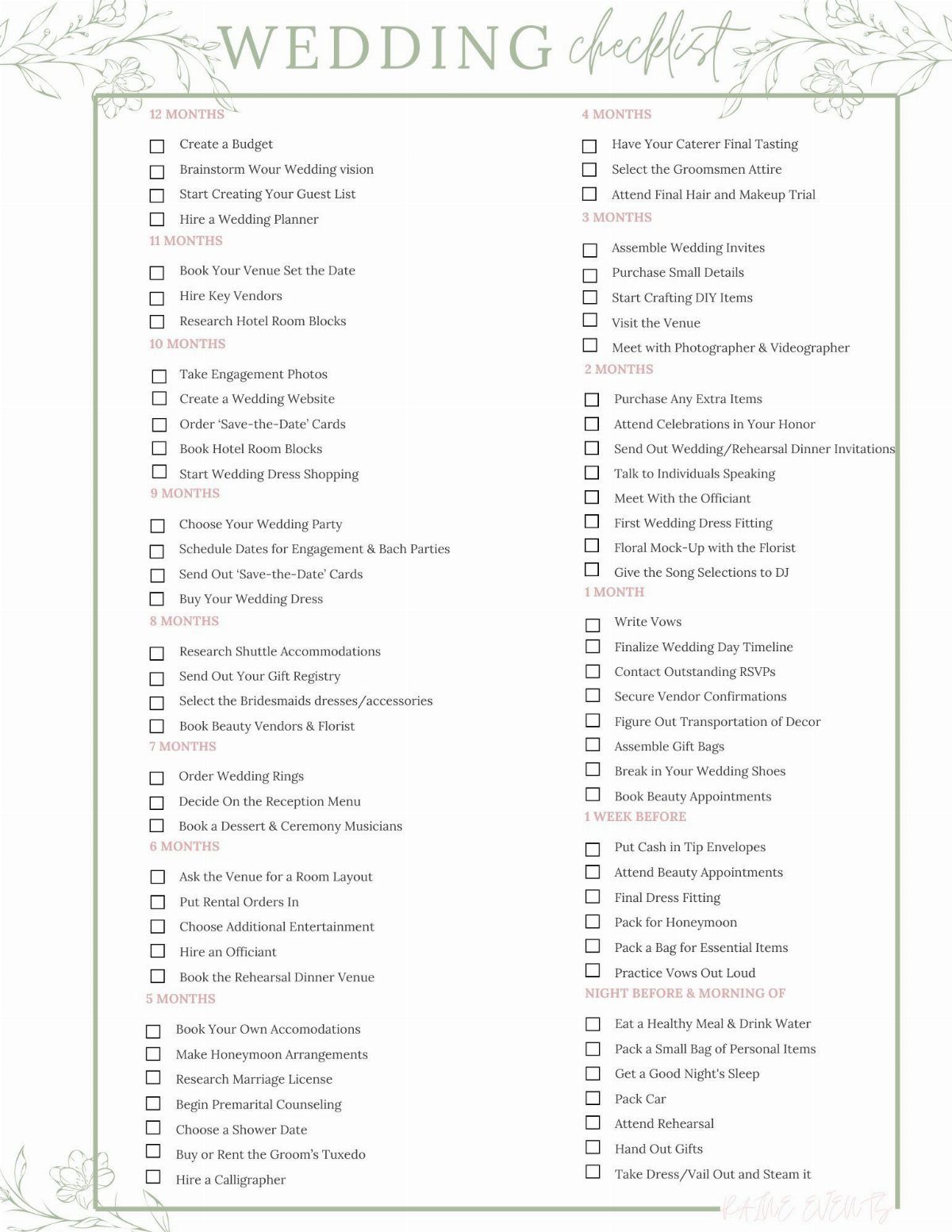
This checklist breaks the entire planning process into monthly blocks, starting 12 months out and ending the night before the wedding. Each month gets its own section with specific tasks and checkboxes, so you know exactly what to handle when.
The floral border gives it a finished look for a desk or binder where it stays visible.
I find the month-by-month format helpful for couples who need structure but don’t want to wade through a thick planner. Print it once, check off tasks as you finish them, and you have a single-page view of your progress.
3. Emergency Kit Checklist
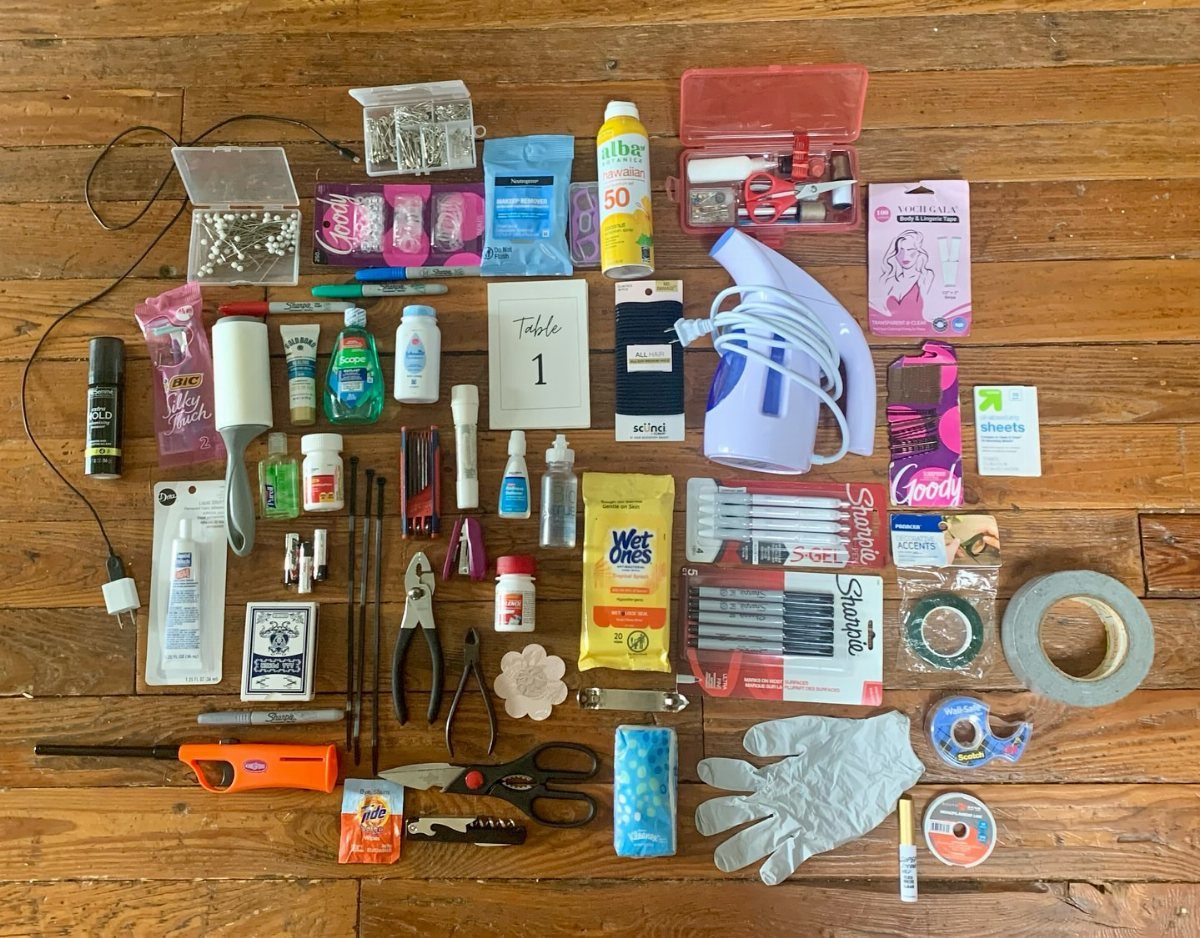
An emergency kit checklist covers the small disasters that can happen on the wedding day: a torn hem, a stain, a headache, a missing safety pin.
I keep a printed list in the emergency kit itself so anyone helping out knows what is inside and where to find it.
Assemble the kit a week before the wedding and hand it to your day-of coordinator or a reliable bridesmaid.
Tips for Staying Organized
I block off 20 minutes every Sunday to walk through what’s coming up that week.
Assign specific days to individual tasks rather than telling yourself you will handle them "sometime this month." A vague goal becomes a missed deadline fast.
I assign a different color to each vendor type so I can spot gaps at a glance. The visual separation makes it easier to see what still needs attention in each area.
Trying to merge multiple templates guarantees you will drop something important, and a marriage license with a waiting period you did not account for can derail an entire timeline.
Confirm the legal requirements for your county before you assume the standard checklist covers them.
Match the format to the way you already work, then stick with it.
Planning in Less Than a Year
Staying open to a few date options gives you better odds of locking down your first-choice venue and photographer. A Sunday or weekday wedding opens up availability that a Saturday does not.
Prioritize the big decisions first: venue, vendors, and photographer. Everything else can move faster once those are locked in.
Condense the timeline by tackling several months of tasks at once.
If you are working with 8 months instead of 12, handle months 12 through 8 all in your first month, then follow the regular schedule from there. The task order stays the same even when the calendar compresses.
Hiring a wedding planner can smooth out a shorter timeline, especially if you need help coordinating multiple vendors at once.
Using Digital Tools
Google Sheets lets multiple people work on the same checklist in real time, so your partner, planner, or family members can update tasks as they finish them. Changes appear instantly for everyone with access.
Make sure the format stays simple enough that everyone involved can actually use it.
A spreadsheet packed with formulas and conditional formatting might look polished, but if your parents or wedding party struggle to find the right cell or understand how to mark something complete, the collaboration advantage disappears.
Stick to clear column headers, straightforward checkboxes, and a layout that reads the same way on a phone as it does on a laptop.
Frequently Asked Questions
How long does it take to plan a wedding?
Most couples need around a year for a full ceremony and reception, though your timeline shifts with how many guests you’re inviting and what kind of celebration you’re planning.
When peak season matters and you’ve got your heart set on a particular venue or photographer, I’d start reaching out 18 months to 2 years ahead. Smaller or nontraditional weddings can happen faster.
What if we’re planning a wedding in less than a year?
Stay flexible with your date and prioritize your venue, photographer, and other major vendors first. Work through a few months of tasks all at once to get caught up, then drop back into the regular timeline from that point forward.
Do I need a wedding planning checklist if I have a planner?
A checklist gives you an overview of the entire process and helps you understand what is coming. If you have not hired a planner yet, use the checklist to sort out your ideas and make notes before your first meeting.
Your planner will bring their own system, but keeping your own notes gives them a faster route into what you actually want.