
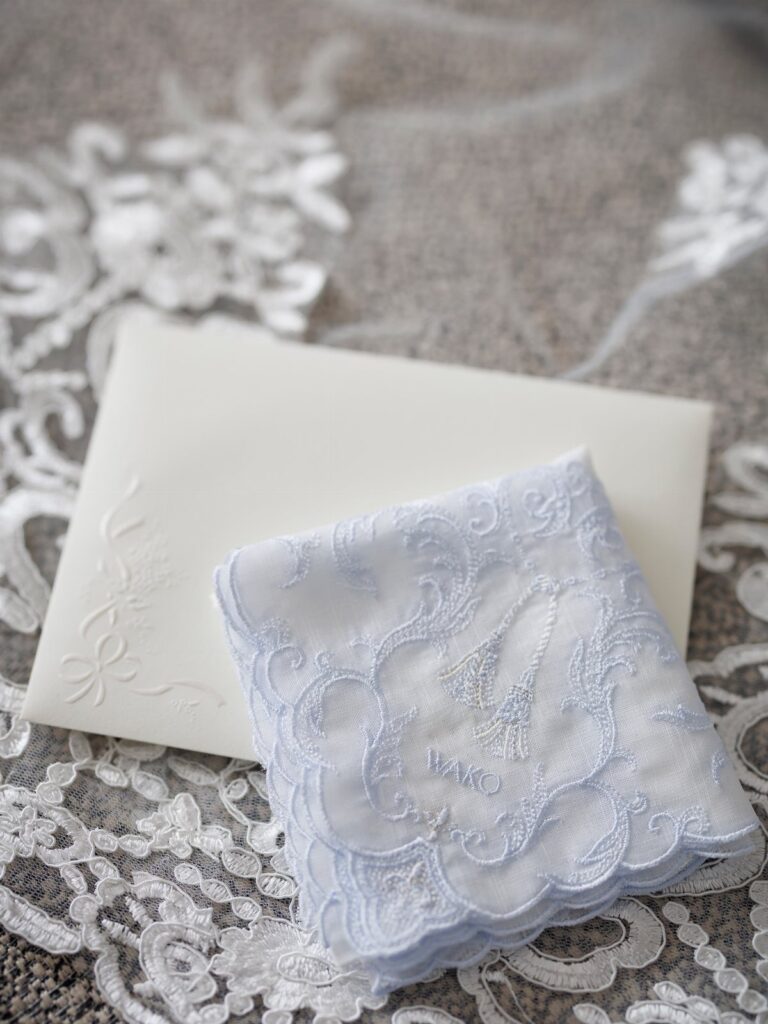
Blue shows up as embroidery stitched along a hem, jewelry worn anywhere you like, a handkerchief tucked in your bouquet, or a signature drink mixed with blue curaçao at the bar.
The tradition asks for blue but leaves the form open, so the right version depends on whether you want it visible all day, hidden in a detail only you know about, or woven into the celebration itself.
A handkerchief embroidered with your initials works as both a keepsake and a practical backup if you cry easily, while blue hydrangeas mixed with white flowers bring the color directly into your bouquet without making the arrangement feel themed.
1. Blue Bridal Bouquet
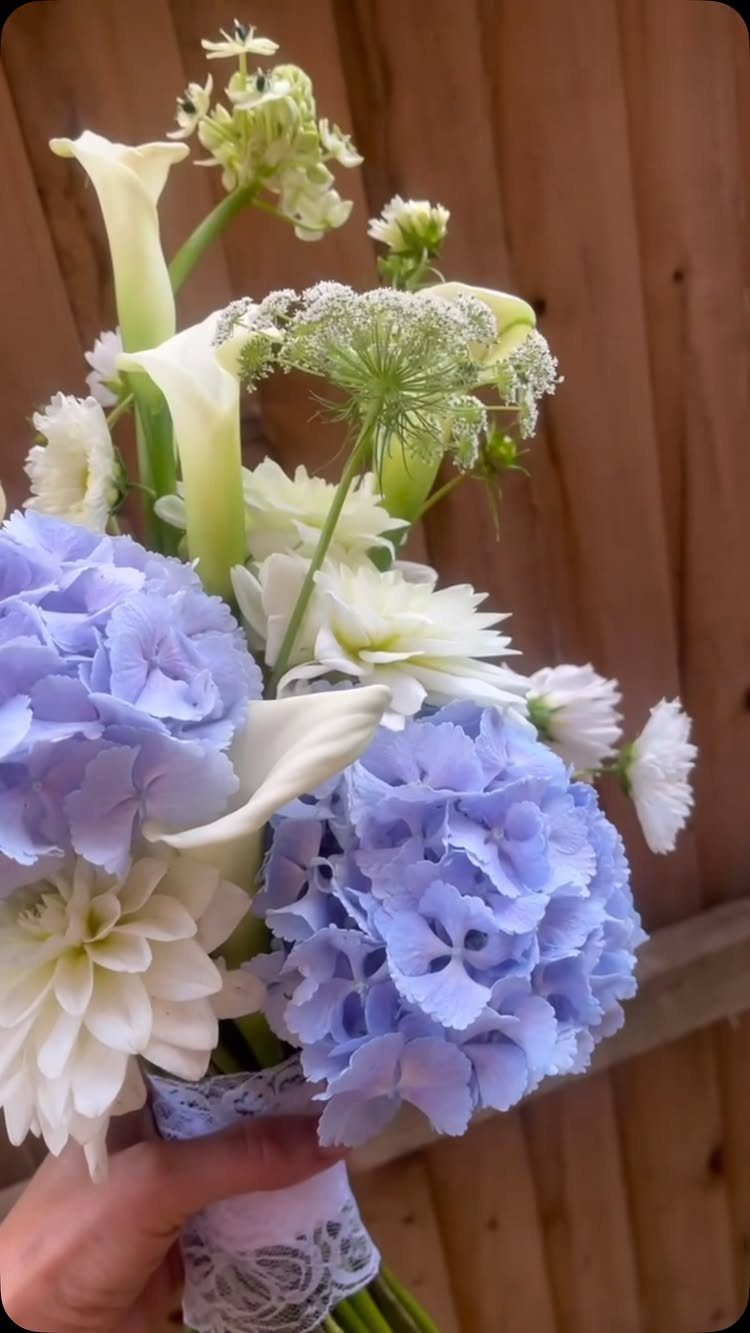
Blue hydrangeas bring color right into your hands without making the entire bouquet feel themed. Mixing them with white flowers keeps the arrangement soft and classic while giving you a clear, visible nod to the tradition.
The size of hydrangea blooms fills out a bouquet quickly, so you get plenty of presence without needing dozens of stems. Pairing them with calla lilies or dahlias balances the fullness with structure.
If hydrangeas feel too casual for your style, consider blue delphiniums or tweedia instead. Both work in formal arrangements and photograph just as well.
2. Blue Jewelry
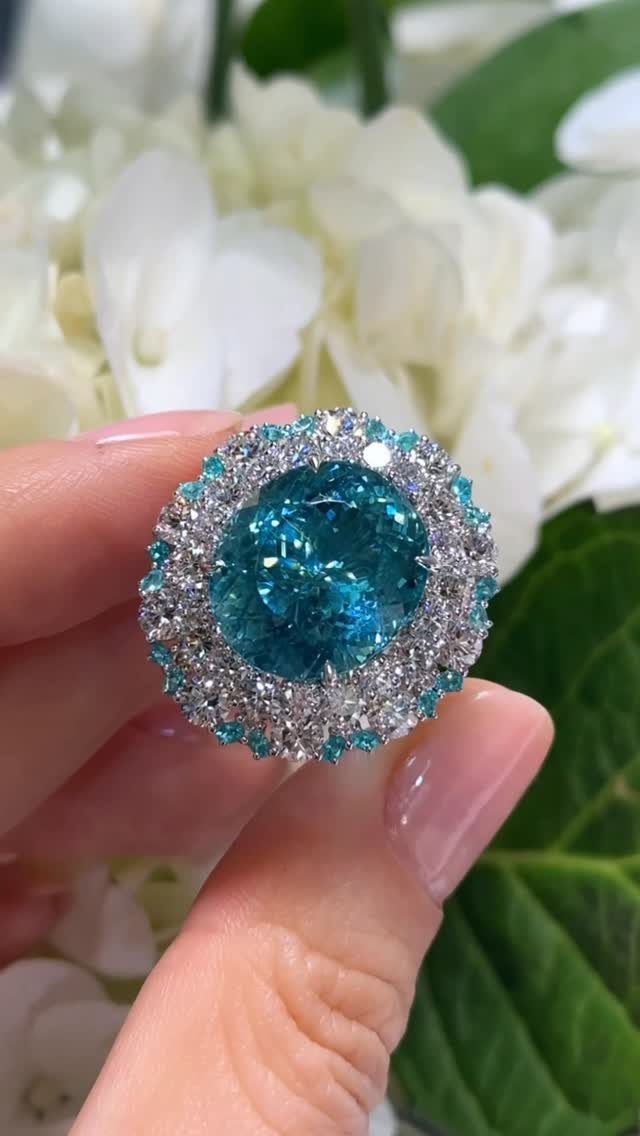
A blue gemstone ring gives you something you can wear again long after the wedding. Sapphires hold up to daily wear better than most colored stones, and aquamarines offer a lighter, more delicate blue if that suits your taste.
You can wear the ring on any finger. Some brides choose their right hand to keep it separate from the engagement ring, while others stack it alongside their bands.
An heirloom piece works just as well here if you already have one. The tradition asks for blue, not new.
3. Blue Handkerchief
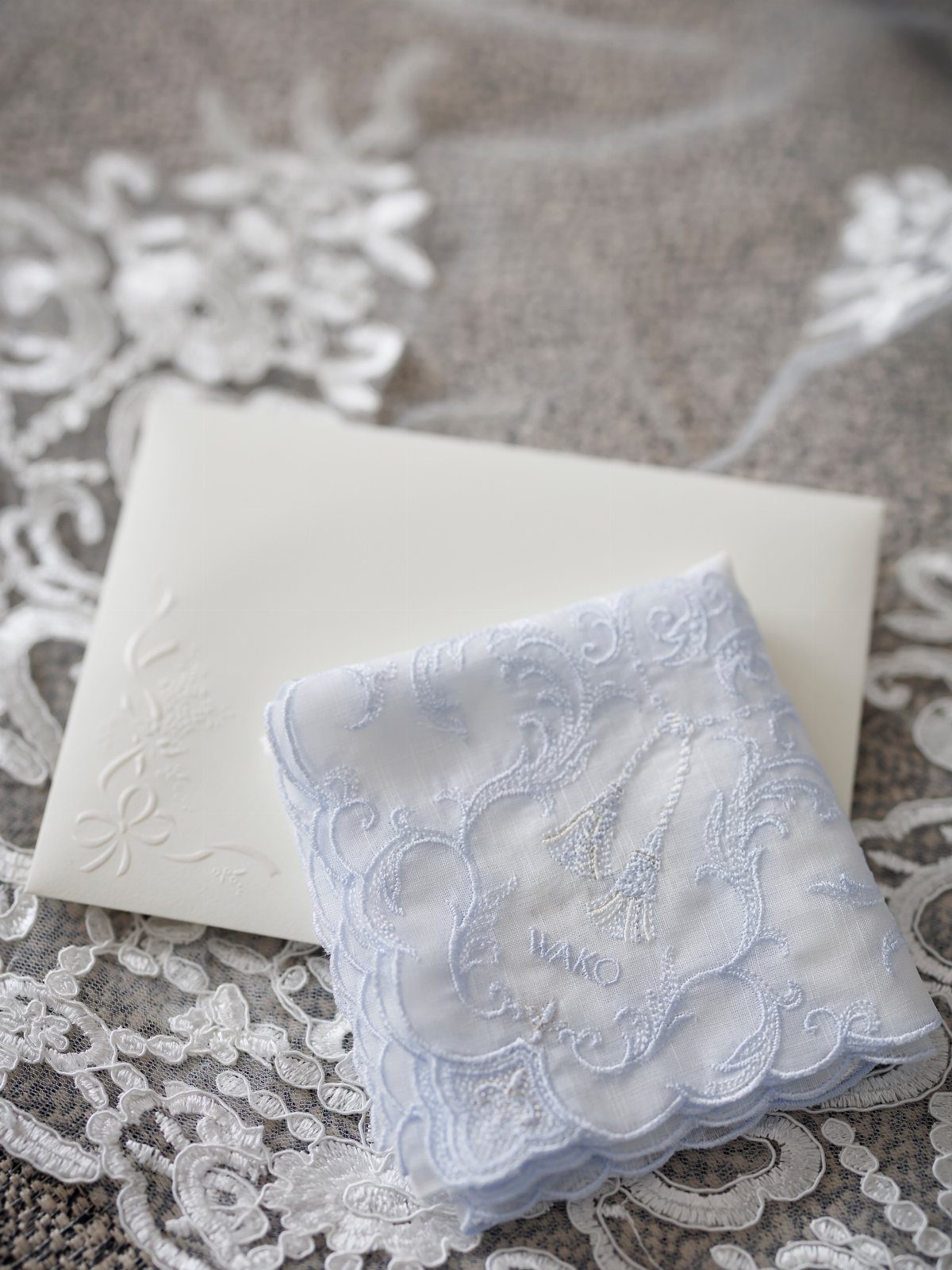
A handkerchief tucked into your bouquet or carried in a pocket stays out of sight until you need it, which makes it one of the most practical versions of this tradition.
Embroidering it with initials, your wedding date, or a short message turns it into a keepsake you can pass down.
Linen and cotton both take embroidery well and hold up to actual use. Light blue works for the fabric itself, or you can embroider blue thread onto white.
If you cry easily, this one does double duty.
4. Blue Embroidery
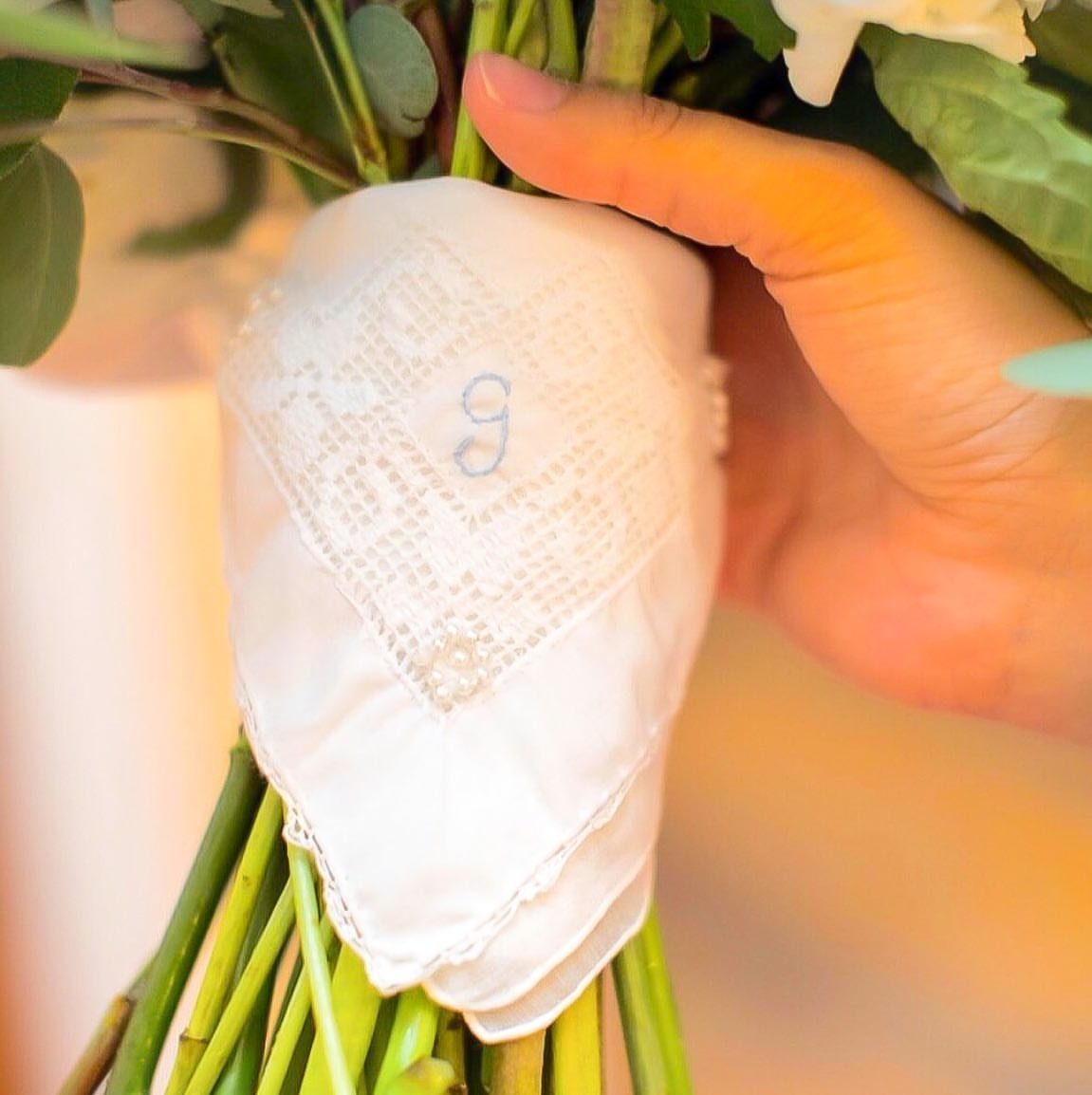
Embroidering a blue initial or symbol onto your dress, veil, or bouquet wrap keeps the tradition completely hidden until someone looks closely.
The letter can be yours, your partner’s, or both, and placing it on the inside of your hem or along the edge of your veil makes it feel even more personal.
Most seamstresses can add this during alterations. Bring a sample of the blue you want so the thread matches your vision exactly.
Bouquet ribbon is another easy spot for embroidery if you’d rather not alter the dress itself.
5. Blue Table Settings
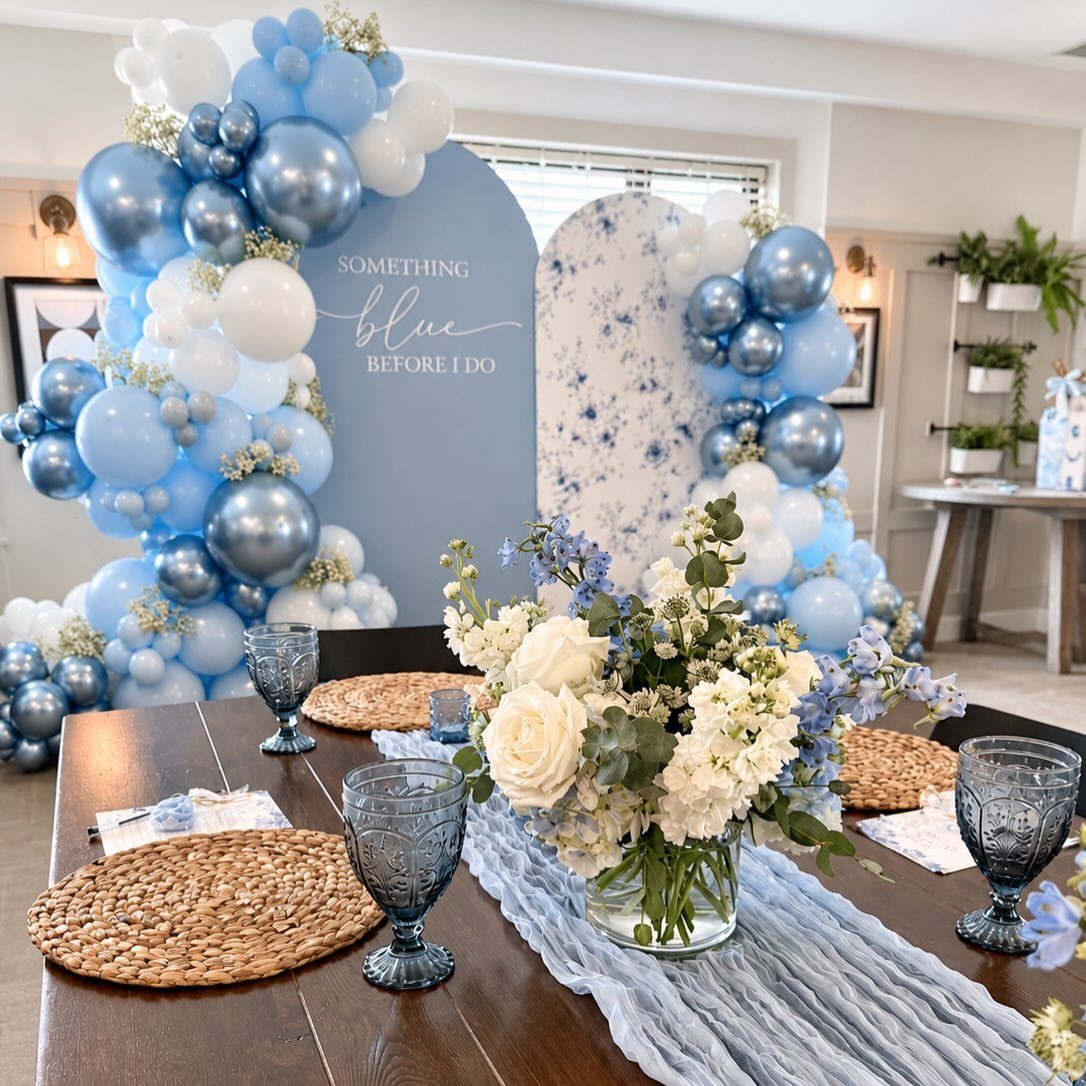
Blue glassware or a blue table runner brings the tradition into your reception without taking over the entire look.
Goblets, votives, and chargers all come in shades from pale aqua to cobalt, and mixing blue glass with neutral linens keeps the tables from feeling too coordinated.
A runner down the center of each table uses less fabric than full tablecloths and gives you a clear line of color without covering your rentals.
If you’re working with wood farm tables, the blue stands out even more against the grain.
Napkins folded in blue ribbon also work if you want the color in smaller doses.
6. Blue Shoes
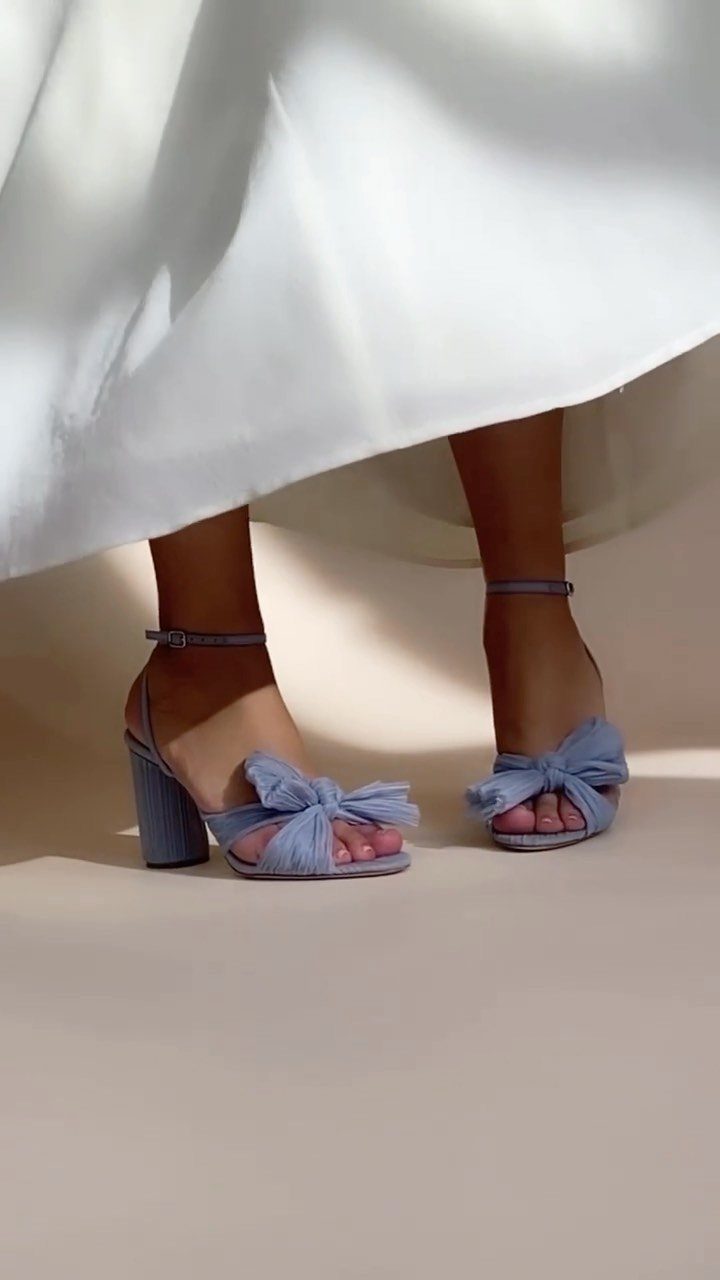
Blue shoes stay hidden under a long dress during the ceremony and show up in detail shots, while you’re walking, and anytime you sit down.
Satin, suede, and leather all dye well in blue, so you’re not limited to one finish.
Heeled sandals with ankle straps or block heels give you more stability than stilettos if you’re spending hours on grass or an uneven surface.
If comfort matters more than height, flats and low block heels come in just as many shades.
Dyeable shoes let you match a specific blue from your palette, though that usually adds a week or two to your timeline.
7. Blue Nail Polish
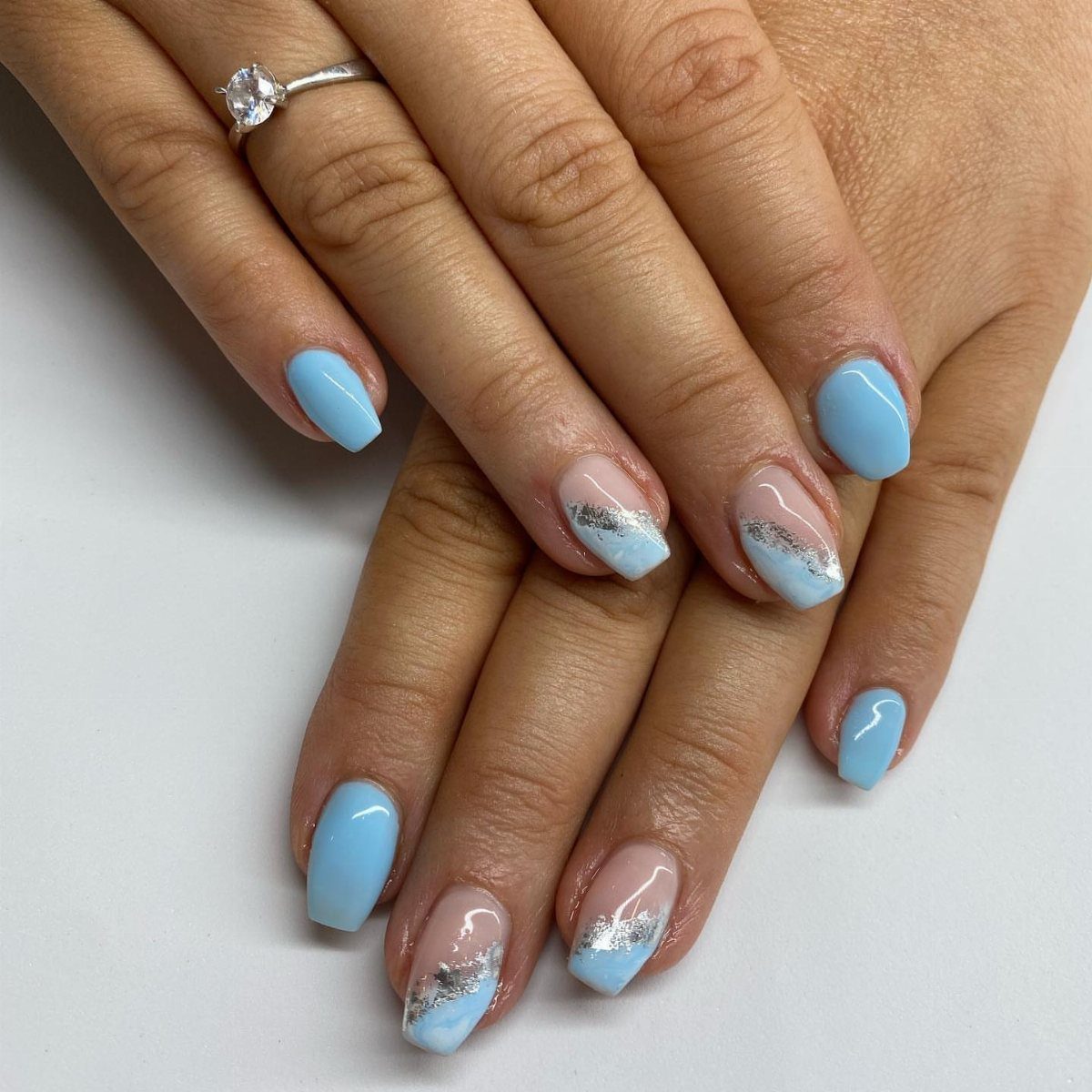
A light blue manicure keeps the tradition right at your fingertips and shows up in every close shot of your hands, from the ring exchange to the bouquet toss.
Pale blues photograph softer than bright or saturated shades, and adding a subtle shimmer or silver accent gives the polish a little more presence without looking costume.
If you prefer short nails, the color still reads clearly. Gel polish lasts longer than regular lacquer and holds up better through a full day of celebration.
8. Blue Signature Drink
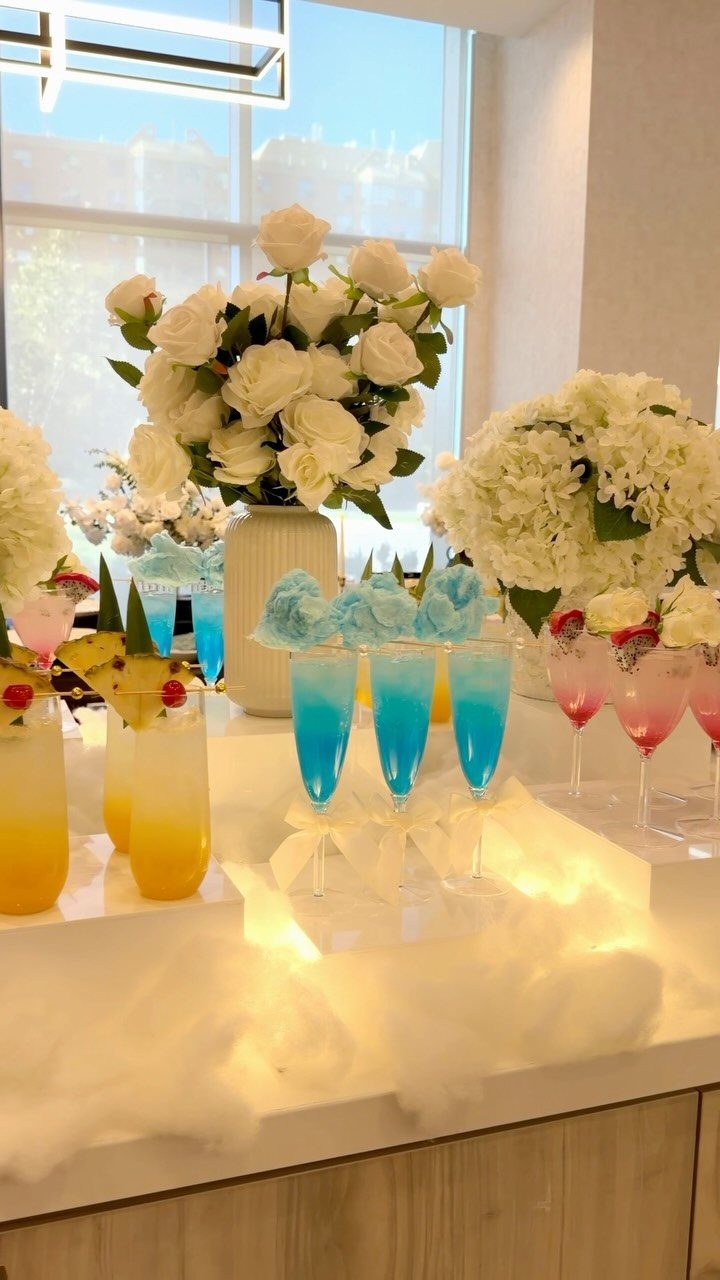
A blue signature cocktail gives guests a drink that ties directly to the tradition while adding a memorable color to your bar.
Blue curaçao is the easiest way to get the shade, and it mixes into champagne cocktails, margaritas, and lemonades without tasting artificial.
The blue reads clearly in clear glassware. If you want the color without the alcohol, blue spirulina or butterfly pea flower tea both dye drinks naturally and taste neutral enough to blend into lemonade or sparkling water.
9. Blue Fabric in Your Dress
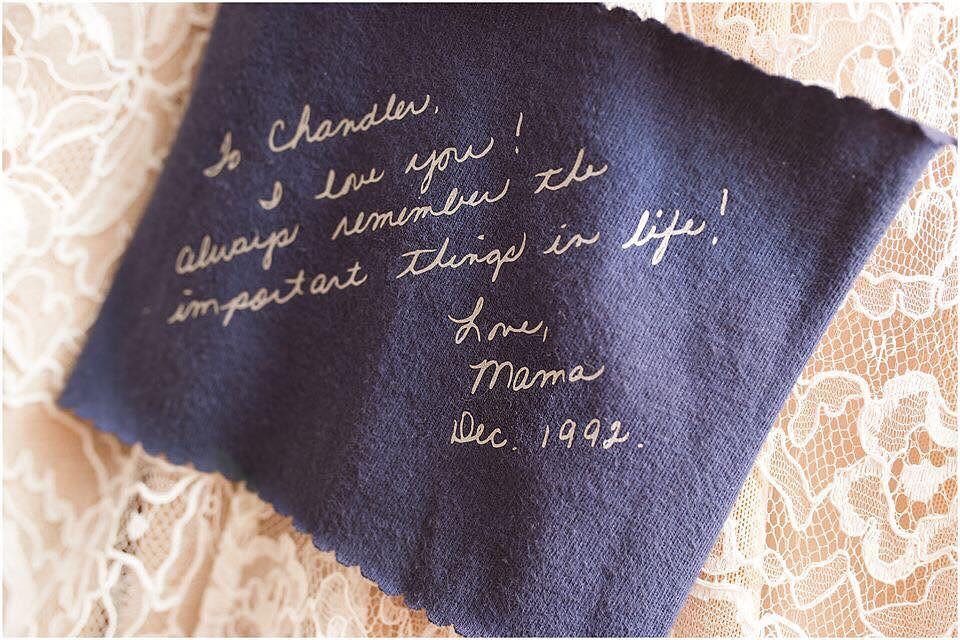
Sewing a scrap of blue fabric into your dress keeps the tradition completely out of sight unless you choose to show it.
A piece from a family member’s clothing, a childhood blanket, or fabric with a handwritten message makes it personal, and your seamstress can tuck it into the hem, under a layer of tulle, or along the bodice lining.
Bring the fabric to your alterations appointment so it can be secured with the rest of the work. Cotton and silk both sew easily into most dress fabrics.
Meaning of Something Blue
Blue represented purity and loyalty long before white became the standard for wedding dresses. In classical art, the Virgin Mary appears in blue robes, connecting the color to devotion and steadfastness.
The tradition ties these qualities directly to marriage. Wearing blue was understood as a visible commitment to fidelity and trust, values that align naturally with a lifelong partnership.
Today, the symbolism remains, but the application has widened.
Fine jewelry offers one of the most lasting interpretations because it continues to hold meaning after the wedding. A sapphire ring or aquamarine pendant keeps the tradition active rather than archived.
The color still signals the same qualities it did historically. The difference is that you now choose how visible or hidden you want that signal to be.
The color held special meaning in Victorian symbolism on its own, representing fidelity, purity, and love. (In fact, before Queen Victoria popularized the white wedding dress, brides were known to wear blue dresses for their weddings.)
— Vogue
History of the Tradition
The rhyme dates to Victorian England and originally included a silver sixpence in the bride’s shoe. Blue stood for fidelity and devotion, while the other pieces covered prosperity and luck.
The full verse connected the bride to protection and prosperity through objects given by family and close friends. The sixpence represented financial security, while blue carried the weight of emotional commitment.
Modern weddings still use the structure but adapt the specifics.
Brides choose items that reflect their own stories rather than following a rigid checklist. A family heirloom or a piece of fabric from someone no longer present turns the tradition into something personal rather than prescriptive.
The rhyme persists because it leaves room for interpretation. What stays consistent is the intent: marking the day with objects that hold meaning beyond decoration.
Personalization of Traditions
The tradition works because it adapts. A bride might wear jewelry passed down from a relative, select a gemstone with personal significance, or choose a piece she knows she’ll reach for regularly after the wedding.
That flexibility is what keeps the custom relevant. Earrings or a bracelet you wear today can slip into someone else’s hand as their borrowed piece a decade from now, carrying the gesture across weddings instead of ending with yours.
The tradition doesn’t require visibility. A blue stone sewn into a hem or embroidered onto a veil carries the same intent as a pair of bright blue shoes.
The object means something because of who gave it or what it marks, not because the custom said to include it.
Meaning accumulates over time. A piece worn once becomes a keepsake, and eventually, part of someone else’s story.
Frequently Asked Questions
What does something blue mean at a wedding?
Blue stands for loyalty and constancy, 2 things every marriage needs. Historically, it connected the bride to emotional commitment and loyalty, and that symbolism continues today even as brides choose how visible or hidden they want the tradition to be.
Who gives the bride something old, something new, something borrowed, something blue?
The bride’s mother, grandmother, bridesmaids, or friends usually offer these pieces, though no rule assigns each item to a particular person. Today, brides often select their own pieces or receive them from anyone whose connection to the day feels significant.