Massachusetts wedding venues range from gothic stone castles and historic mansions to modern waterfront spaces and converted industrial buildings, with options that suit guest counts from under 100 to several hundred.
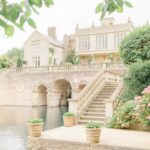
If you want both formal architecture and natural surroundings without leaving the property, look for estates like The Crane Estate or The Mount with manicured lawns and indoor backup space.
A venue like The Crane Estate offers ocean views and enough land for ceremony, cocktail hour, and reception to claim separate areas, while a converted power plant with high ceilings and exposed concrete gives you an industrial canvas that supports bold decor choices.
1. Briar Barn Inn Cozy Wedding Setting
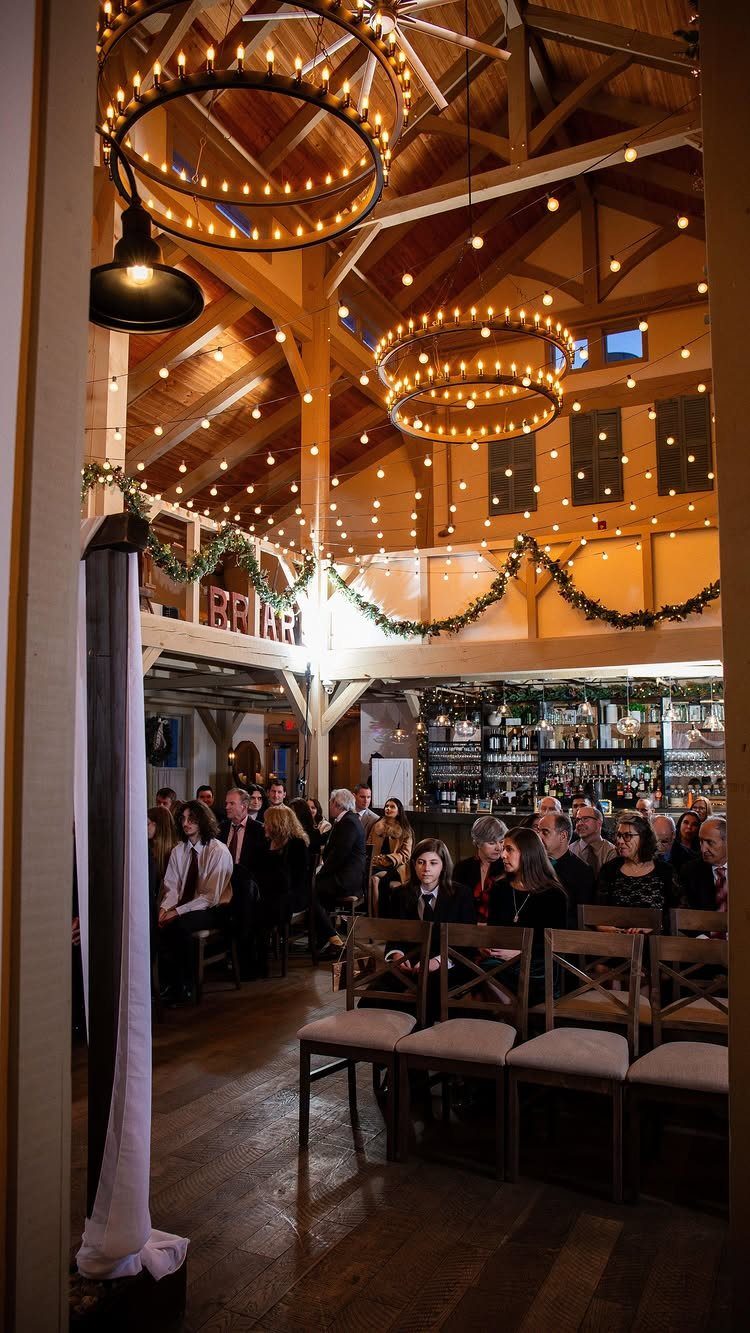
A barn ceremony lets you host indoors with a feeling that still reads as rustic and grounded. The wooden beams and chandeliers give you architectural interest without needing much decoration, and string lights warm the space once natural light fades.
If your guest count sits around 100 or fewer, a barn like this one holds everyone comfortably without feeling cavernous. The built-in bar makes cocktail hour easy to manage in the same building.
2. Tower Hill Botanic Garden Wedding Venue
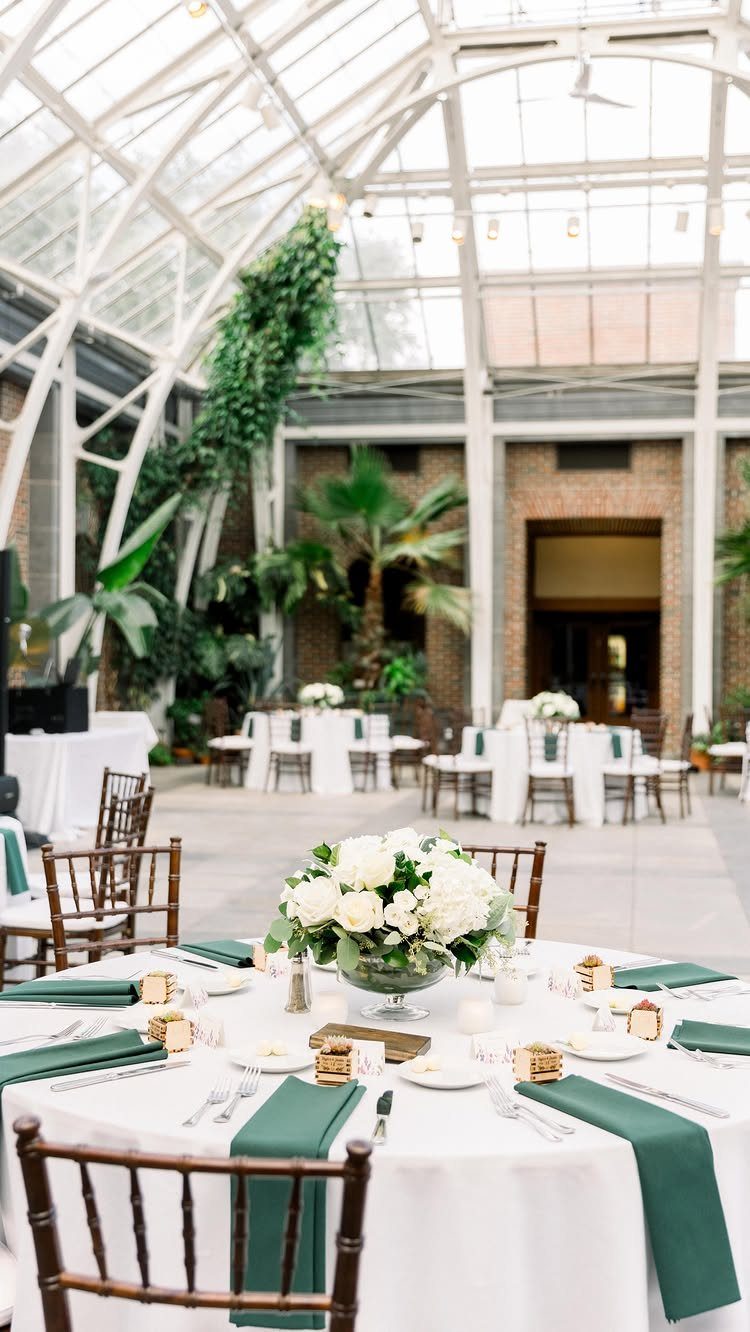
A glass conservatory gives you the protection of an indoor space with natural light flooding every table.
The brick walls and surrounding greenery frame your reception without competing for attention, and round tables fit the layout better than long banquet rows in a room this shape.
Tower Hill offers access to the wider garden grounds for ceremony and portrait time. If rain is likely, you can move everything under glass without losing the botanical feeling that drew you there in the first place.
3. Boston Public Library Courtyard Wedding Venue
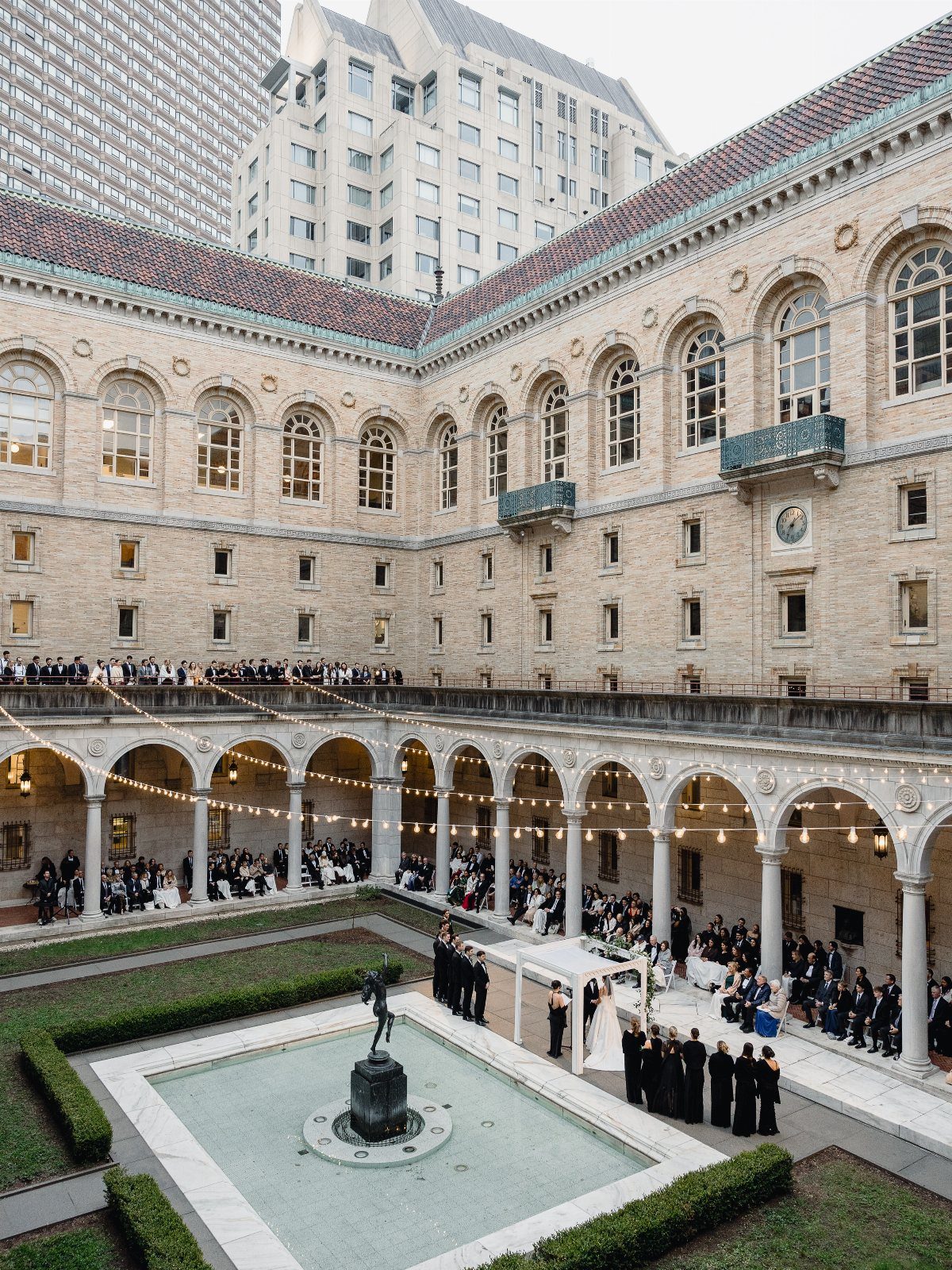
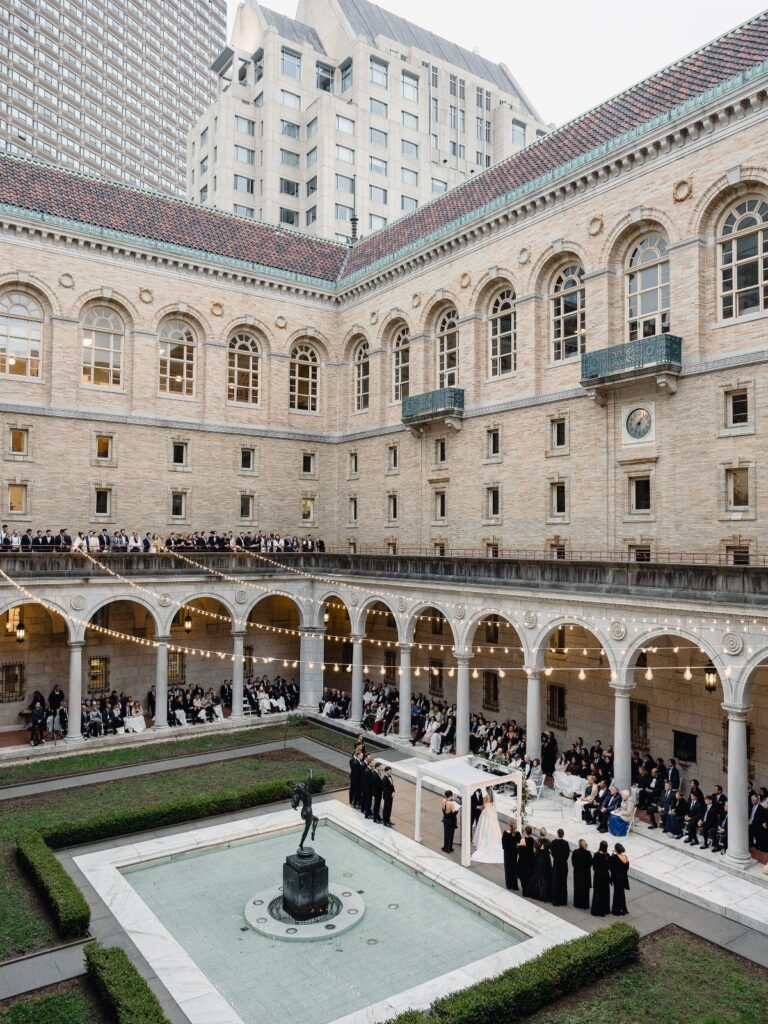
Stone courtyards give you an outdoor ceremony with architecture on all sides, so the space feels enclosed and formal even without a tent.
Boston Public Library’s courtyard sits in the middle of the city, which makes it easier for guests traveling from different neighborhoods or staying downtown.
You skip the logistics of a remote estate while still getting a ceremony space that photographs like one.
4. The Mount Historic Building Wedding Venue
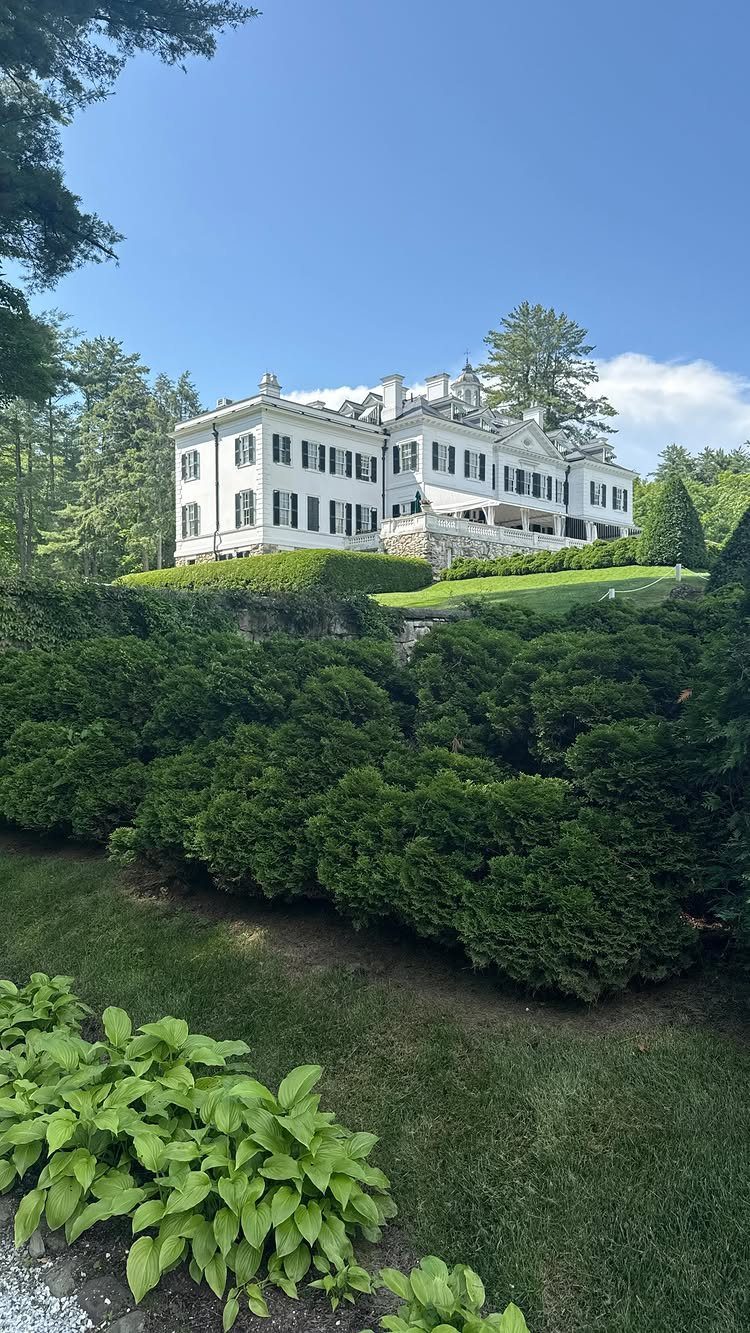
A historic mansion with manicured lawns gives you a ceremony backdrop that needs almost no styling. The white facade and black shutters photograph cleanly, and the hedges create natural borders for your seating layout.
The Mount’s outdoor spaces work best for smaller ceremonies, where everyone can see without needing a raised platform. If your reception is indoors, the mansion’s interiors carry the same formal elegance your ceremony just established outside.
5. The Crane Estate Historic Mansion
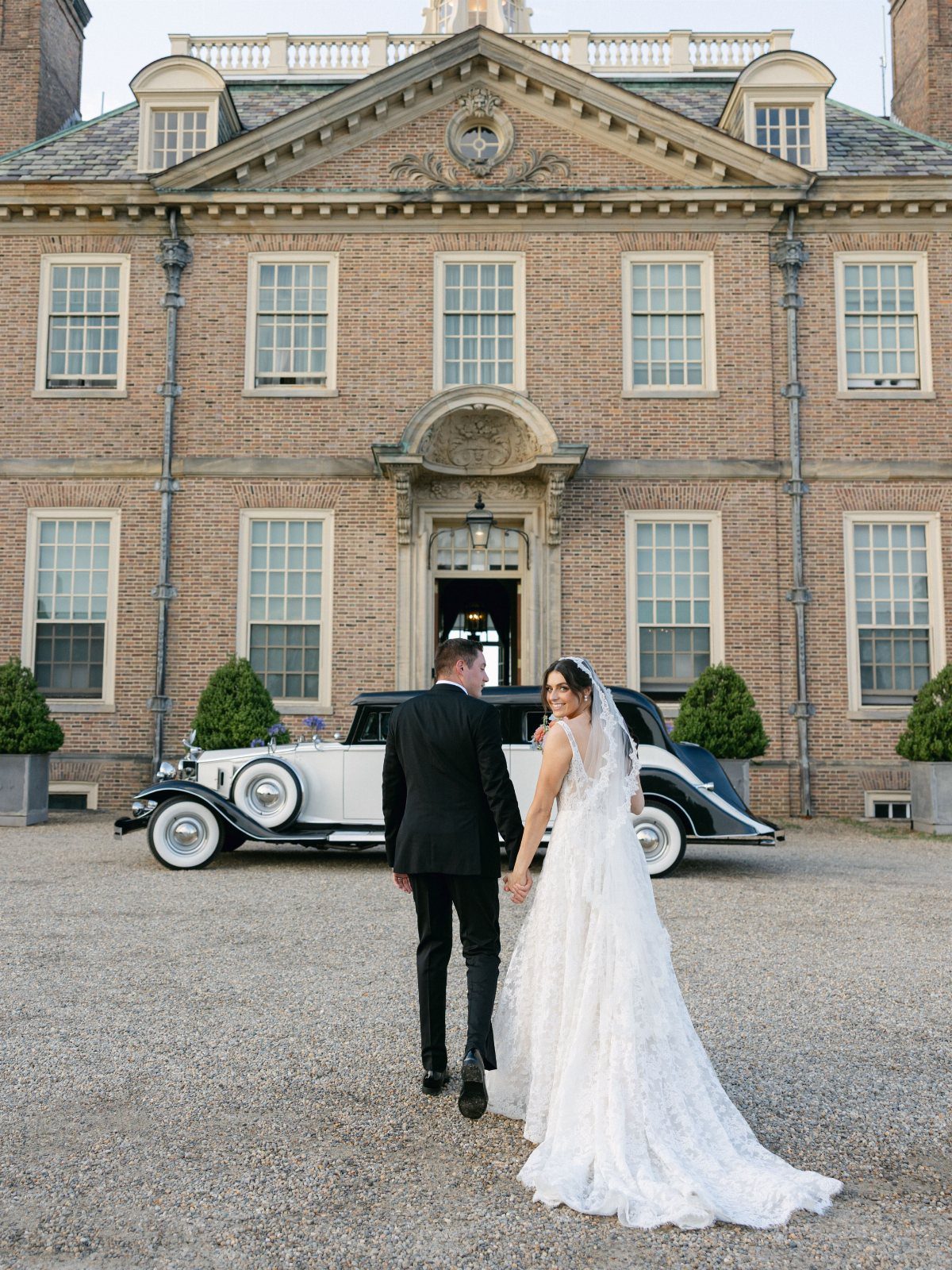
A brick estate with ocean views gives you both the grandeur of a historic mansion and a coastline that most inland venues cannot offer.
The Crane Estate sits on enough land that your ceremony, cocktail hour, and reception can each claim their own space without feeling crowded onto one lawn.
The vintage car moment works here because the long driveway and brick facade give you room to stage it without blocking guest flow.
If your timeline allows, golden hour portraits on the bluff overlook the water in a way that reads unmistakably New England.
6. Hammond Castle Gothic Architecture Wedding Venue
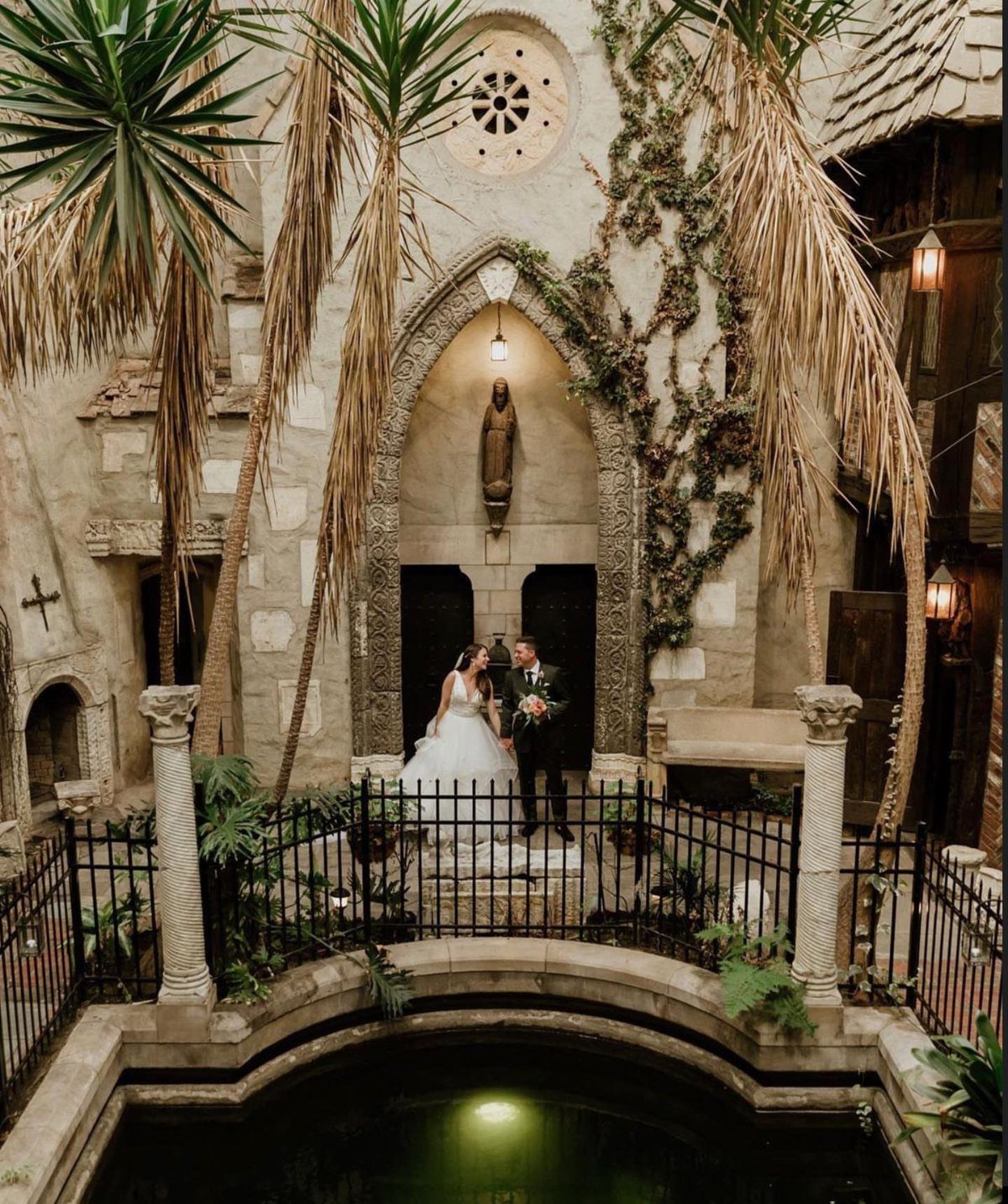
A medieval-style castle trades the typical New England estate look for gothic stone arches, statues, and dramatic interior halls.
Hammond Castle sits on the coast, so you can include water views in your portrait session even though the architecture itself feels European.
The stone and palm combination gives you a slightly unexpected aesthetic that stands out in a region where white clapboard and brick mansions dominate.
If your style leans moody or romantic rather than classic preppy, this venue delivers that tone without you needing to fight the space.
7. Four Oaks Country Club Wedding Venue
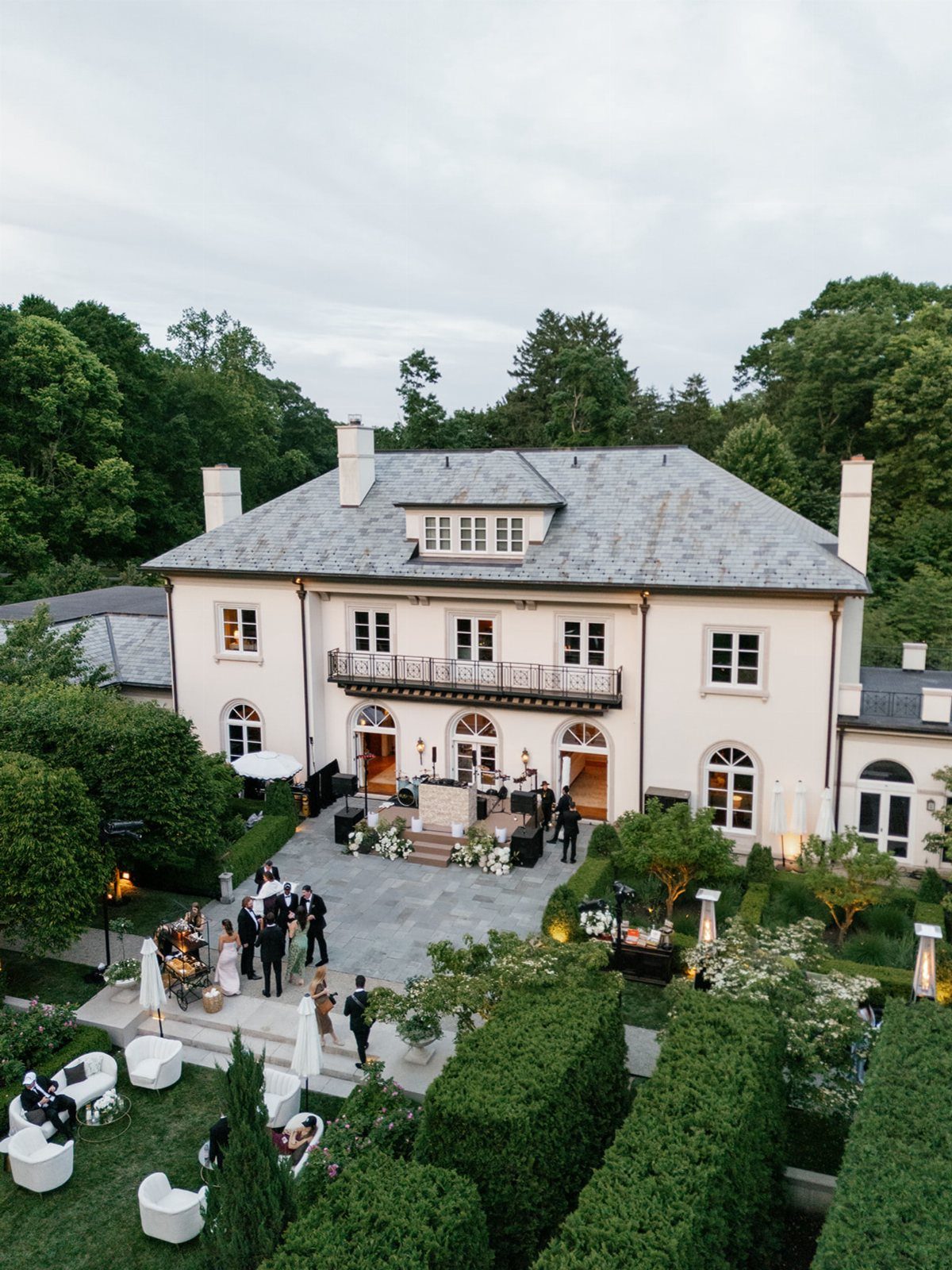
A country club with outdoor terraces and a traditional facade gives you multiple spaces for different parts of the day without moving off the property.
The stone patio works for cocktail hour while your reception room is being finalized, and the lawn can hold your ceremony if weather permits.
4 Oaks keeps the formal country club look without feeling stuffy. The hedges and mature trees frame portraits naturally, and the cream-colored building photographs well in any light.
8. Encore Boston Harbor Wedding Venue
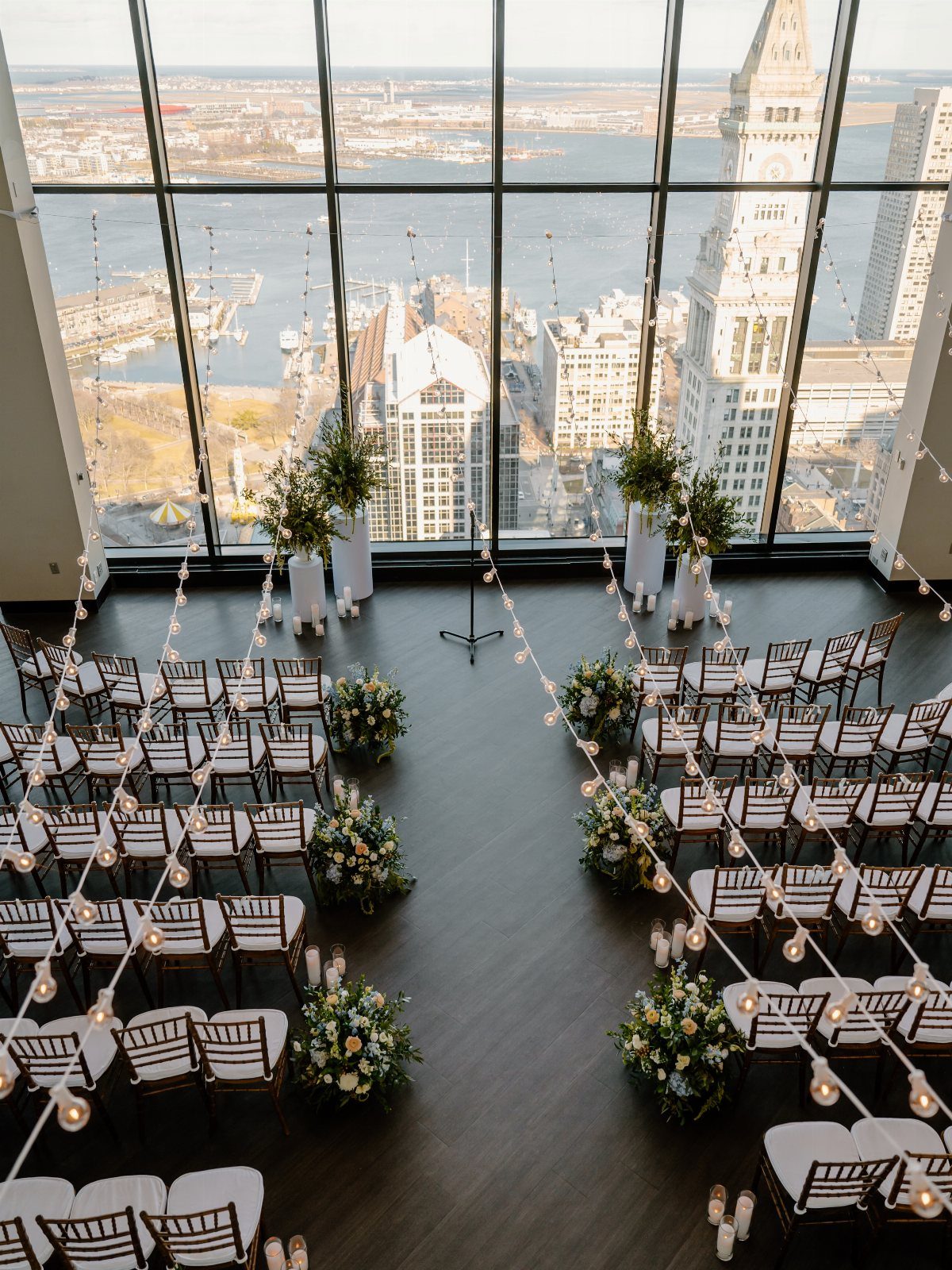
The tall harbor-facing windows bring water views into a city setting where most venues stick to skyline alone.
The skyline becomes your backdrop, and sunset timing matters less because the lights coming on across the water give you a second visual shift during dinner.
Encore handles catering and florals in-house, which simplifies vendor coordination if you would rather work with one point of contact than manage multiple contracts.
The gold chairs and modern ceremony layout suit couples who want a polished, hotel-ballroom aesthetic without leaving downtown.
9. New England Aquarium Wedding Venue
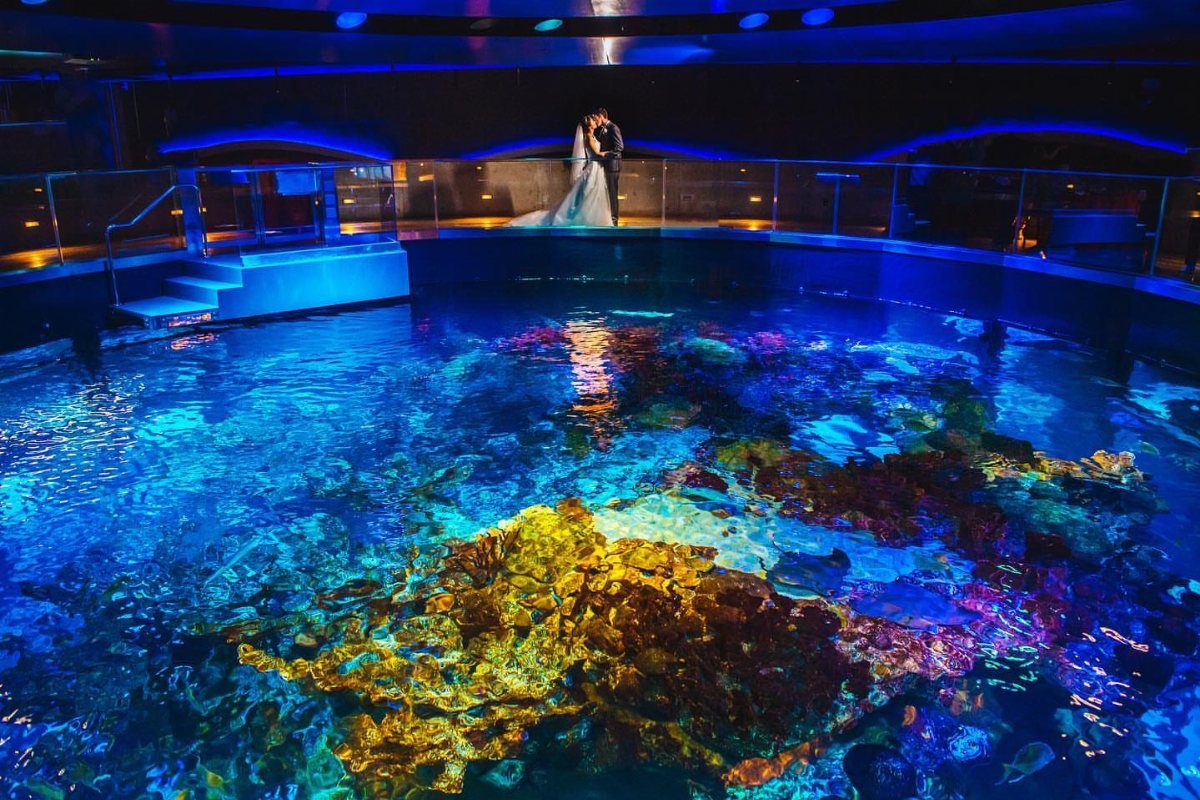
Hosting your reception at an aquarium gives your guests something to look at beyond the usual centerpieces and dance floor.
The glowing tanks create ambient light that shifts as fish move through the frame, and the coral backdrop reads as unusual without requiring you to theme the entire event around it.
New England Aquarium works best for couples who want a venue that generates conversation on its own. The space handles evening receptions smoothly, and the built-in visual interest means you can pull back on decor if budget is tight.
10. The Lakehouse Modern Waterfront Wedding Venue
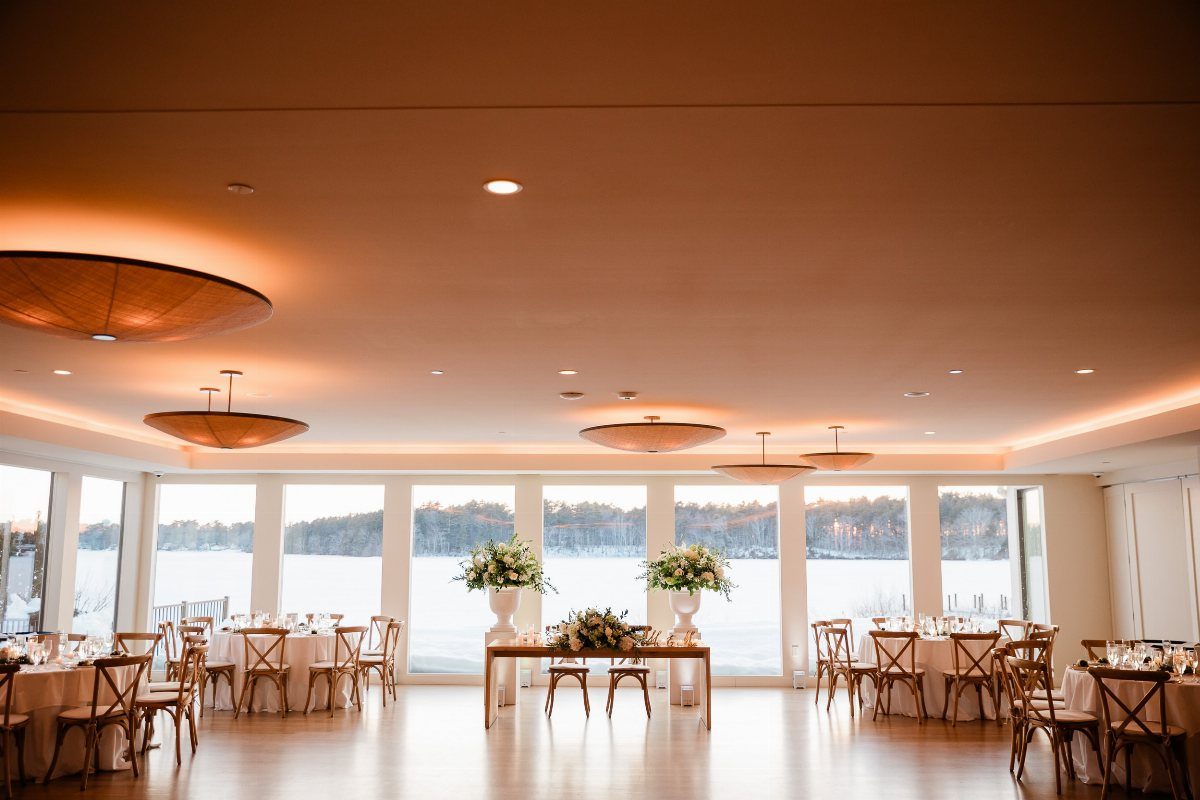
A modern lakefront venue trades historic charm for clean lines and unobstructed water views.
The floor-to-ceiling windows let the landscape do the work, and the neutral palette inside means your florals and lighting choices will stand out more than they would against ornate wallpaper or dark wood paneling.
Round tables fit this room better than long banquet rows because the circular light fixtures overhead create natural zones. If your aesthetic leans minimal or contemporary, this space requires less styling than a barn or mansion to feel finished.
11. Olio, Peabody, Massachusetts
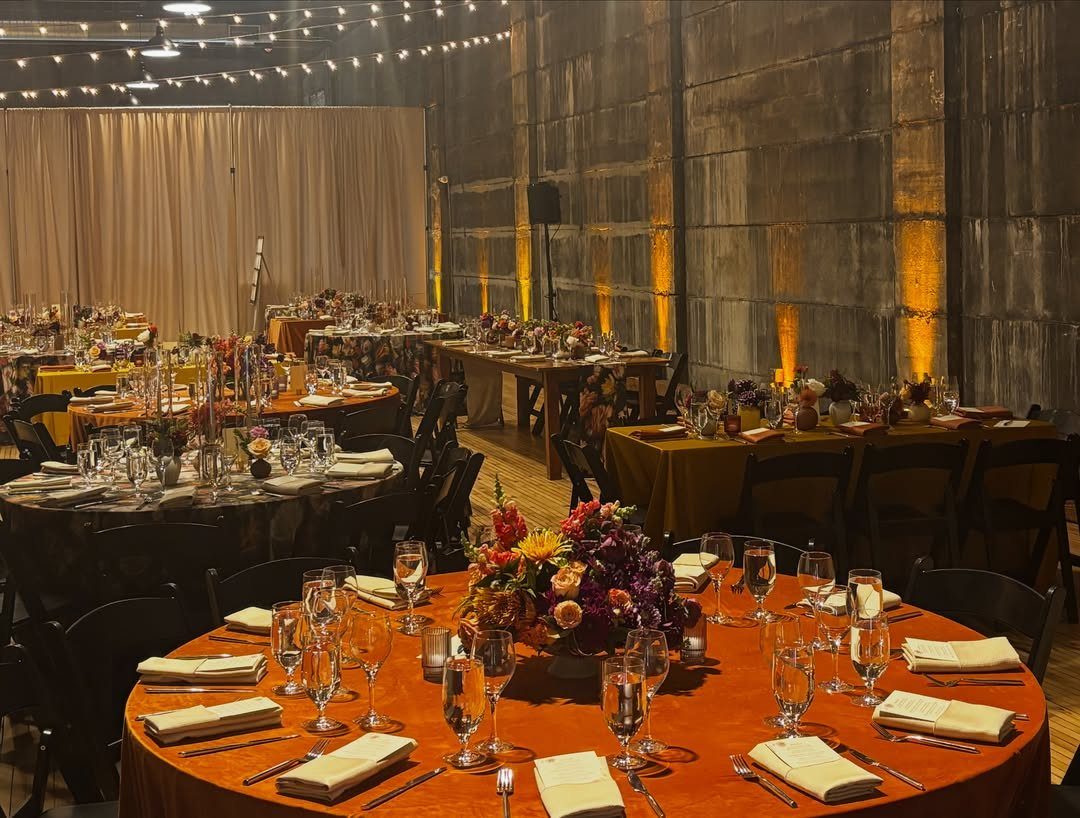
An industrial venue with exposed concrete walls gives you a neutral canvas that supports bold color choices without clashing.
The raw texture contrasts well with softer elements like draped fabric and lush centerpieces, and the high ceilings accommodate tall arrangements or hanging installations if you want vertical interest.
Olio suits couples who want control over the look of their reception.
The space does not come with a built-in style, so your decor decisions carry more weight here than they would in a venue with strong architectural character already in place.
12. Converted Industrial Power Plant Wedding Venue
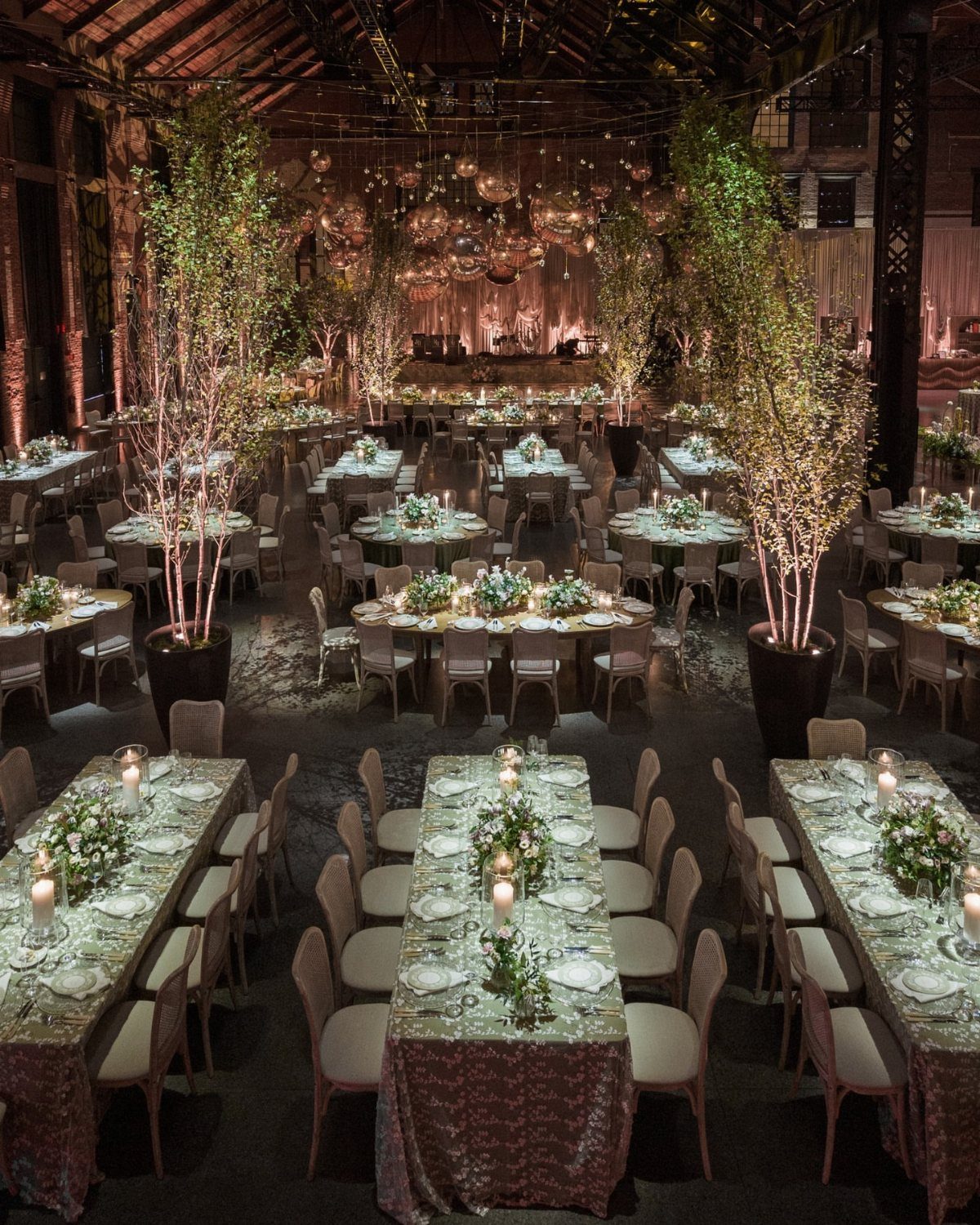
High ceilings and open floor plans let you mix table shapes and create distinct zones within one room.
A converted power plant gives you the industrial bones without the unfinished feel of a warehouse, and the tall indoor trees soften the concrete without making the space feel overly decorated.
SoWa Power Station works well if your guest count is large enough to fill the room. Empty industrial spaces can feel cold when attendance is low, so this venue suits larger weddings better than intimate gatherings.
13. Waterfront Harbor View Wedding Venue
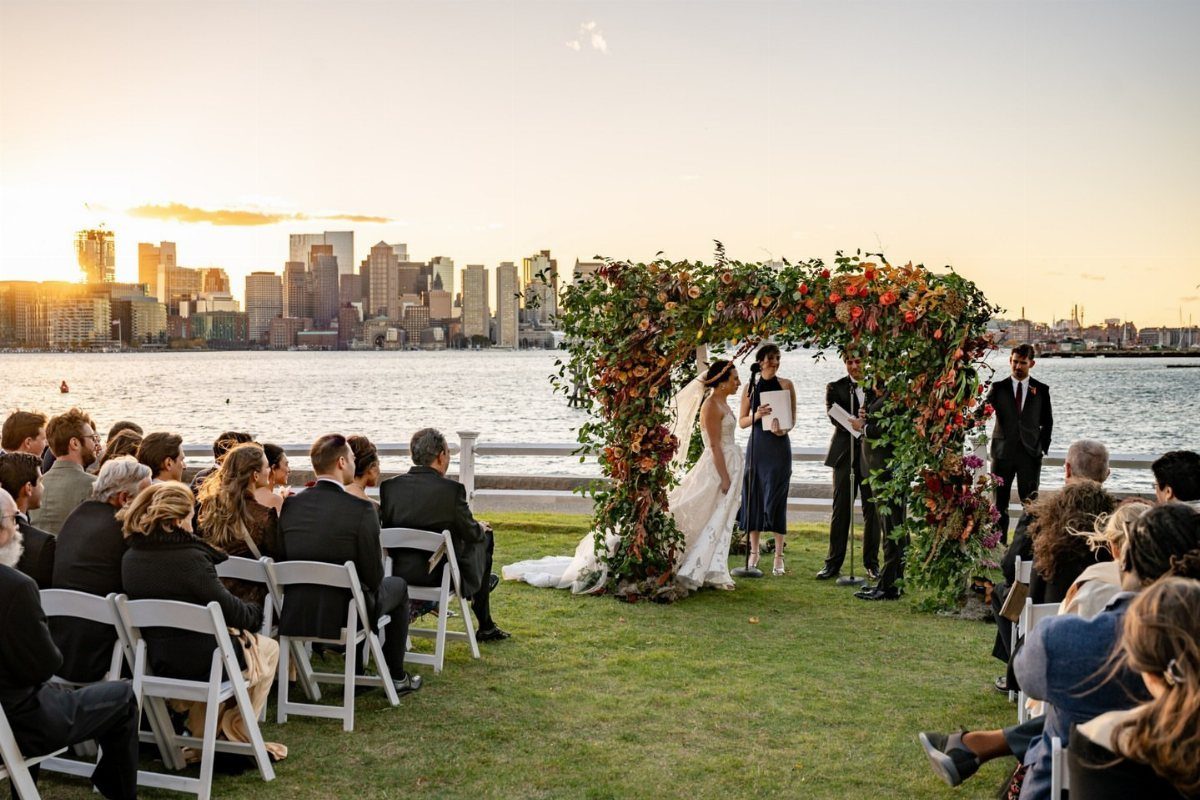
A lawn ceremony with harbor views in the background keeps setup simple because the skyline does the work of a backdrop. You can anchor the space with one floral arch and let the water and city line frame the rest.
This layout works if your ceremony is short and weather looks stable. Grass can get soft after rain, so bringing aisle runners or low heels matters more here than on stone or pavement.
14. Historic Stone Estate Wedding Venue
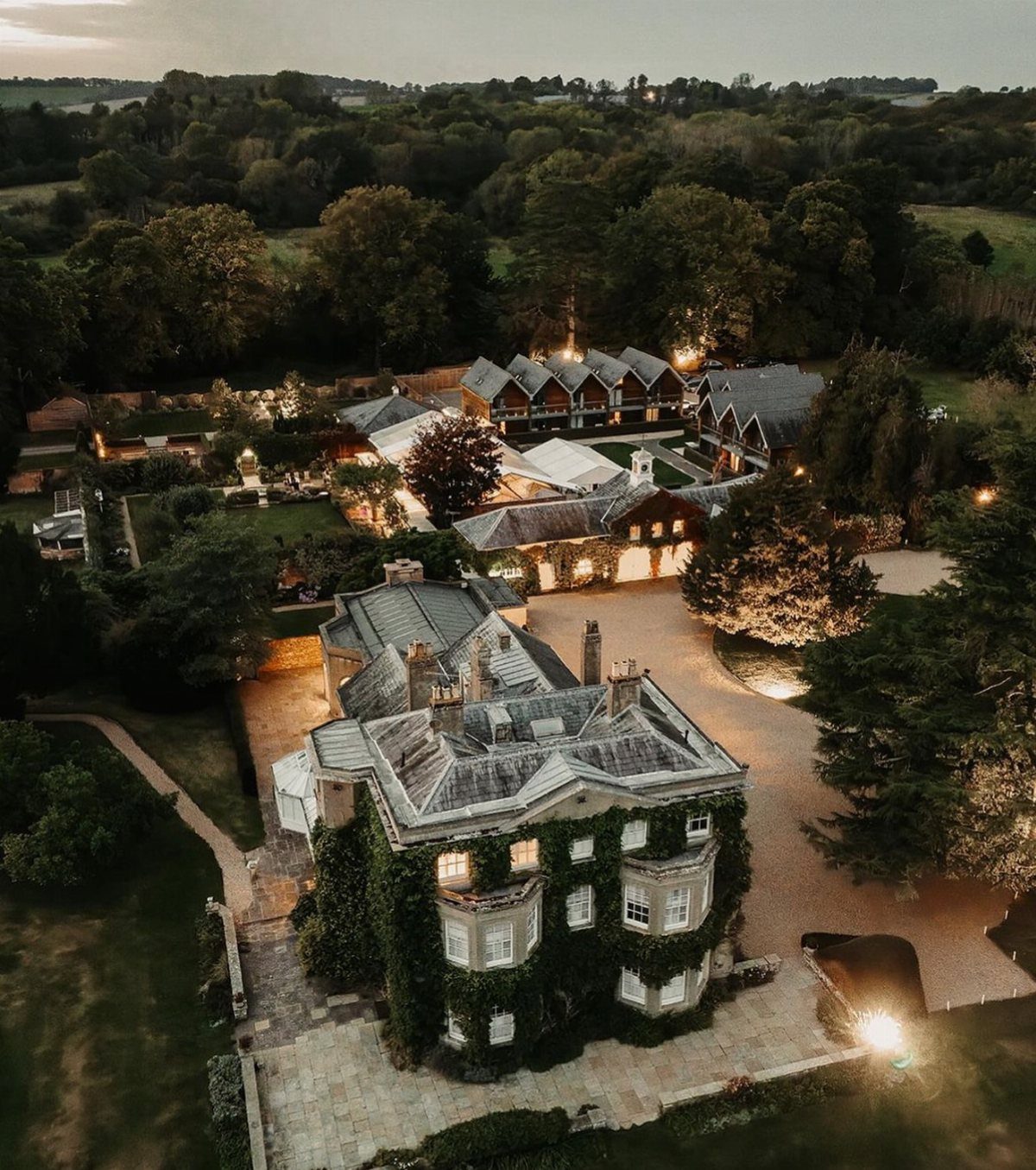
A stone estate set back in the woods gives you privacy and a secluded feeling even if the property sits close to town.
The dense tree cover keeps the focus on the grounds themselves, and dusk lighting makes the stone glow without you needing to add much beyond what the building already provides.
If your vision includes tented reception space, a wooded estate like this one has room to set up off the main lawn without losing access to the mansion for portraits or cocktail hour.
15. Historic Red-Brick Mansion Venue
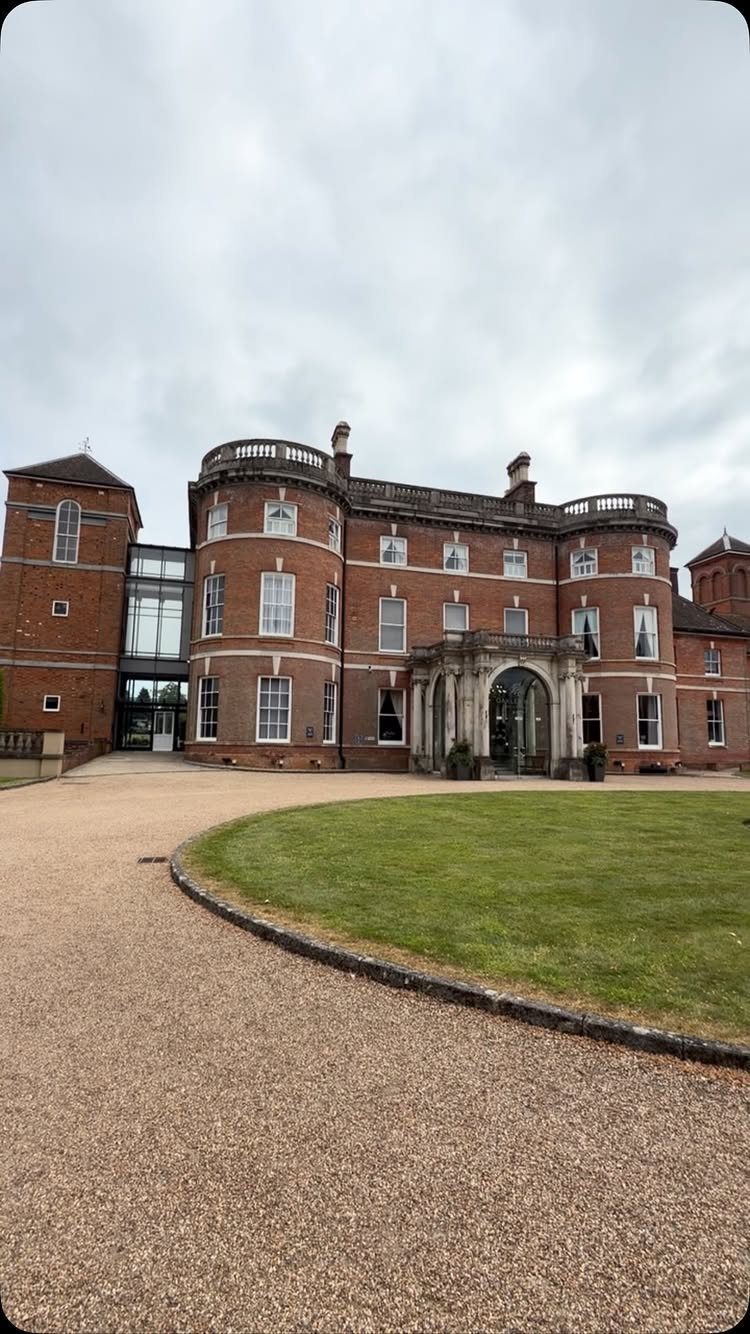
Red brick with white trim stands out in a region where most historic estates stick to stone or clapboard.
The rounded corner towers add architectural detail that photographs well from multiple angles, and the curved gravel drive creates a clear approach for guests and a natural spot for arrival photos.
This style of mansion suits formal weddings where the building itself anchors your aesthetic. The exterior needs minimal styling, so you can spend decor budget on reception details instead.
16. Neoclassical Portico Wedding Venue
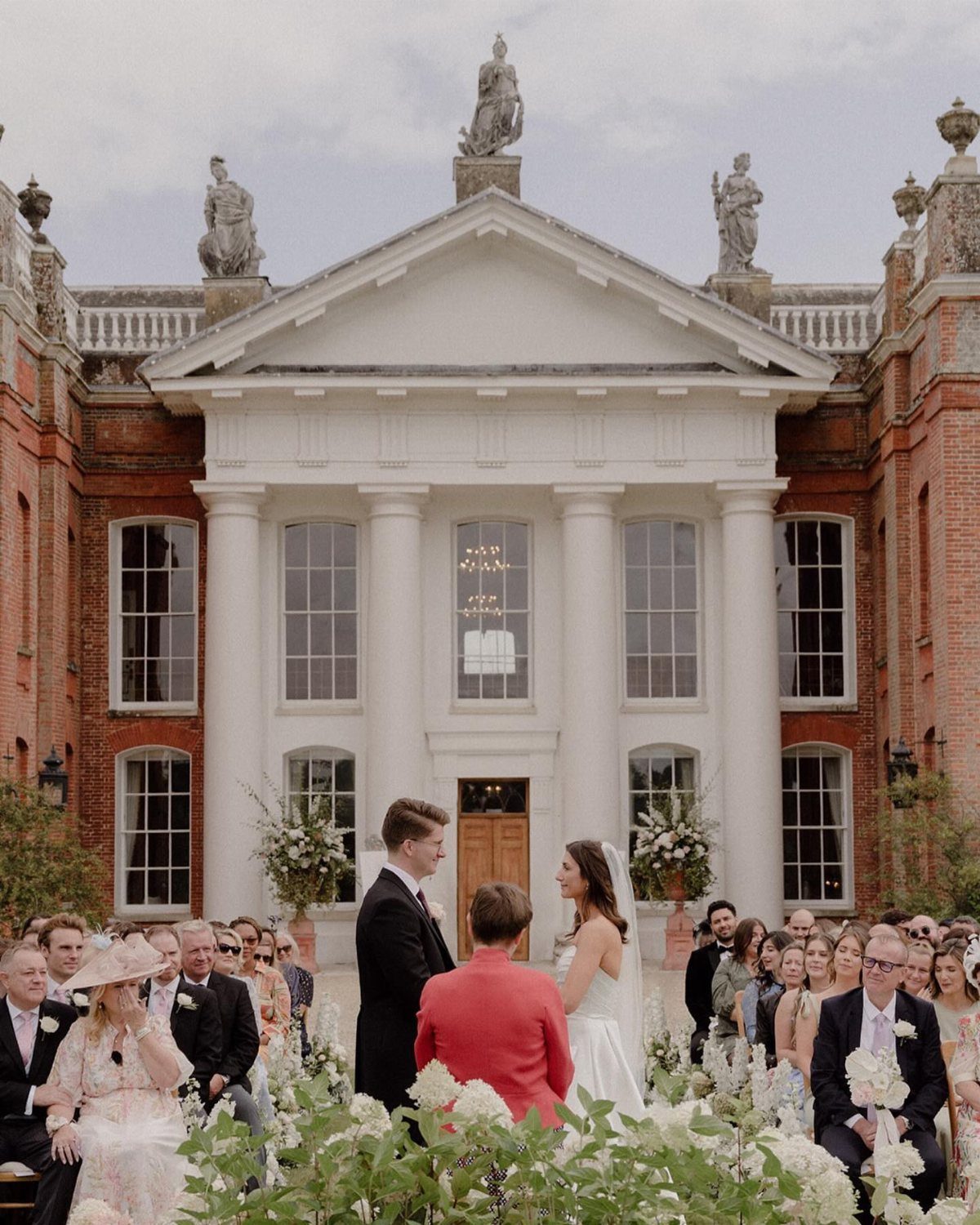
Columns and statues give you a classical backdrop that reads as formal and architectural without needing a tent or arch.
Positioning your ceremony in front of a building like this one keeps the setup minimal because the structure provides symmetry and height on its own.
The open layout works for larger guest counts where seating wraps around the sides. If sun is likely, the building offers some shade for the wedding party while guests face forward.
17. Historic Stone Chapel Ceremony Venue
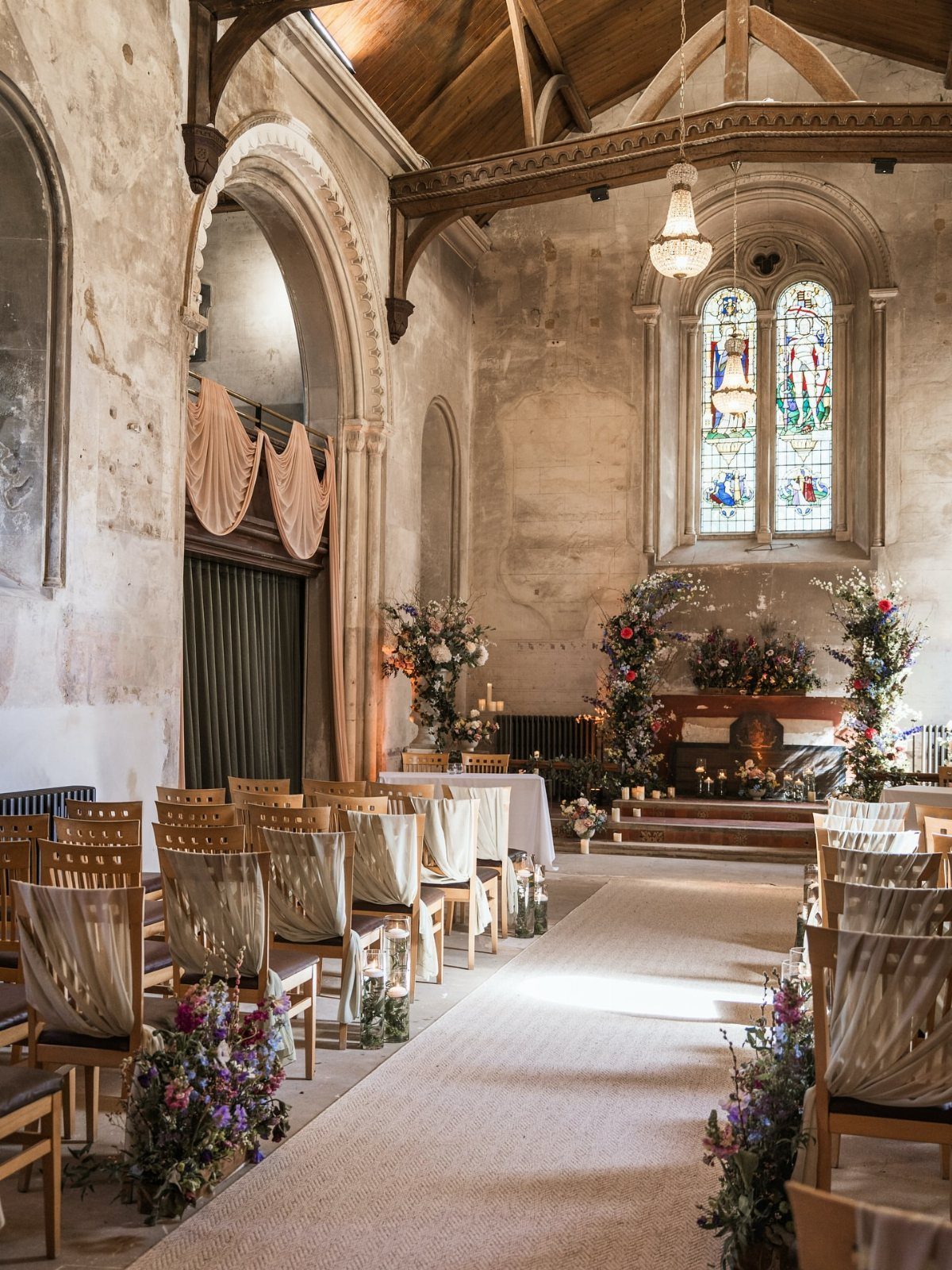
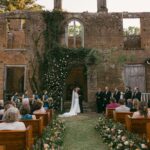
Stone walls and stained glass give you a traditional chapel ceremony indoors, which removes weather as a variable entirely.
The high wooden ceilings and natural light from the windows mean you can keep lighting simple and still get clear ceremony photos.
Floral arrangements along the aisle and at the altar soften the stone without covering the architecture.
If your ceremony is religious or you want the ritual to feel contained and reverent, a chapel interior like this one delivers that tone better than an outdoor clearing or open ballroom.
Choosing the Right Venue
Start with the atmosphere you want.
Think about the setting that matches your wedding best: a waterfront ceremony at sunset, a garden with open lawns, a barn in the countryside, or a smaller room that feels personal the moment people arrive.
Trusting that first reaction helps you stop second-guessing venues that were never the right match.
Guest experience matters just as much. Consider how easy the venue is to reach, whether parking is available, and how guests will move between ceremony and reception.
Some venues handle everything in one building. Others spread activities across lawns and separate rooms, which affects your timeline and coordination.
Check what is included in the venue package before you compare prices. Catering, tables, chairs, and bartending services are sometimes bundled, sometimes separate contracts.
Planning for Guest Count
Small weddings mean different things at different venues, so nail down your guest count before signing anything.
A room sized for a bigger celebration will look sparse with half the guests, and a cozy space will feel tight if you pack it past capacity.
Matching your count to the venue’s natural capacity makes the space feel right without you needing to over-decorate or rearrange furniture.
Keeping your number in mind helps you skip spaces that can’t hold your wedding comfortably.
Venue Flexibility
Look for venues that offer both indoor and outdoor options so weather does not force you into a backup plan you never wanted.
Some spaces let you move the ceremony inside while keeping cocktail hour or portraits outdoors.
Others have tented areas that still feel open but protect against rain. Knowing your options ahead of time means you can make decisions the week of your wedding without scrambling to rent equipment or rethink your layout.